
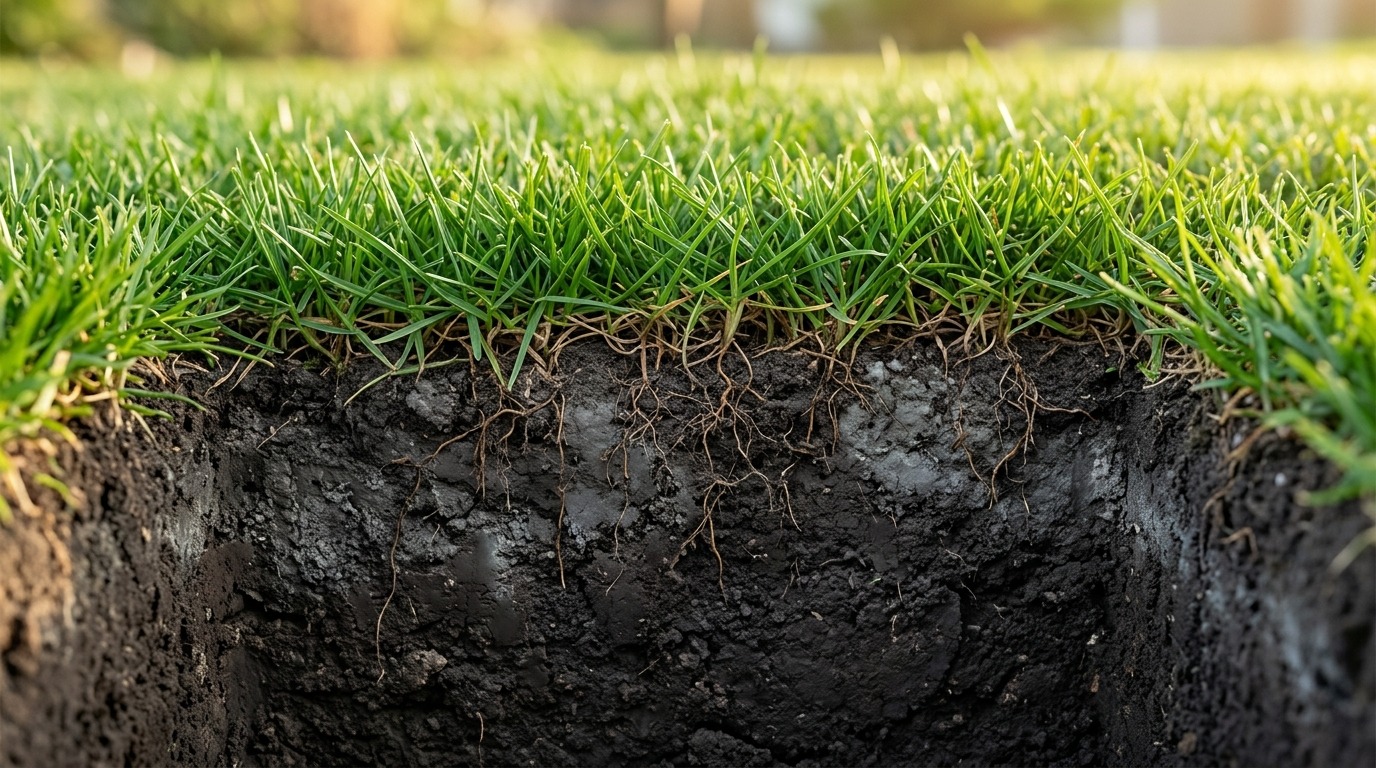
Most lawn problems don’t start where you can see them.
They begin underground, quietly, long before grass turns yellow or weeds take over. By the time symptoms appear on the surface, the issue has usually been developing for months—or even years.
This is why many homeowners feel stuck in a cycle. They fertilize, reseed, water more often, and still struggle to get consistent results. The lawn improves briefly, then slides backward again.
The missing piece is almost always the same.
It’s the soil.
This is where landscaper soil testing changes everything. Instead of guessing what a lawn needs, soil testing reveals exactly what’s happening below the surface—and why certain efforts haven’t worked.
The Real Problem Most Lawns Face
A lawn can only be as healthy as the soil it grows in.
Soil controls how water moves, how nutrients are absorbed, and how deep roots can grow. When soil is compacted, imbalanced, or depleted, grass struggles no matter how much care it receives.
The external problem homeowners see is obvious: thin grass, patchy growth, stubborn weeds, or dull color.
The internal problem is frustration: “I’m doing everything right—why isn’t this working?”
The philosophical problem is simple: lawn care shouldn’t feel like trial and error.
Without soil testing, that’s exactly what it becomes.
You’re the Hero — Your Lawn Needs Clear Answers
Homeowners want a lawn that looks healthy and stays that way.
They don’t want to waste time or money on treatments that don’t address the real issue. They want confidence that what they’re doing actually helps.
That’s where a professional landscaper becomes the guide.
At Doug Greenwood Landscaping Co., soil testing is used to remove uncertainty from lawn care. Instead of treating symptoms, landscapers start by understanding the soil itself—because that’s where real improvement begins.
Why Guessing Fails in Lawn Care
Many lawn products are designed for “average” conditions.
But lawns are rarely average.
Soil composition can vary dramatically even within the same neighborhood. Past construction, drainage patterns, tree coverage, and previous treatments all influence soil health.
When homeowners apply fertilizer or treatments without testing, they’re working blindly. The lawn may already have excess nutrients in some areas and deficiencies in others. Adding more can worsen imbalances rather than fix them.
Landscaper soil testing replaces guesswork with data. It shows what’s missing, what’s excessive, and what needs adjustment—nothing more, nothing less.
What Soil Testing Actually Reveals
Soil testing provides a detailed snapshot of the lawn’s foundation.
It measures nutrient levels that influence growth, color, and strength. It evaluates pH, which determines whether grass can even access those nutrients. It can reveal compaction issues or organic matter deficiencies that limit root development.
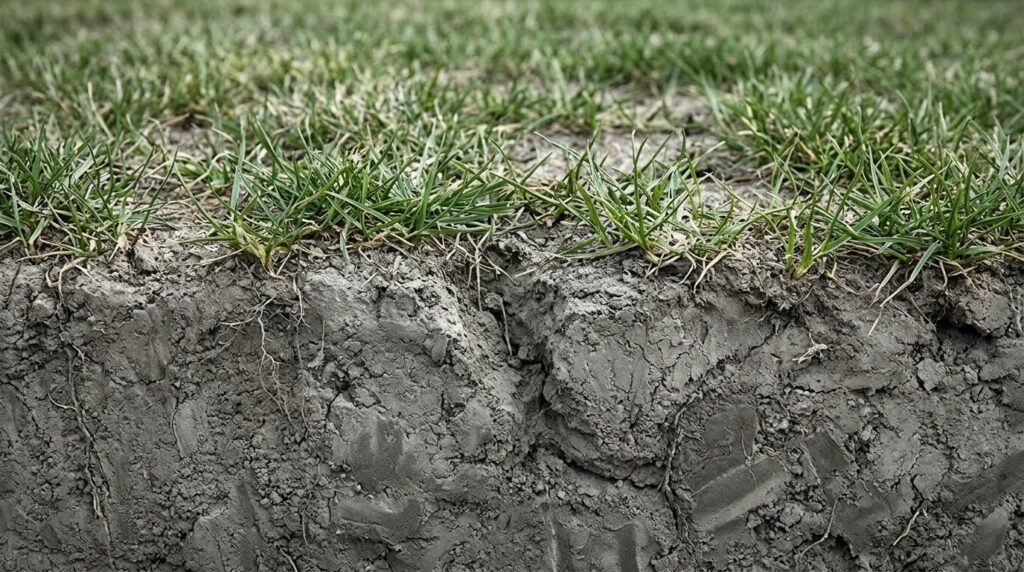
Without this information, lawn care becomes reactive. With it, care becomes strategic.
Landscapers use these results to build plans that work with the soil instead of fighting against it.
The Role of pH in Lawn Health
One of the most common—and most misunderstood—soil issues is pH imbalance.
Grass can only absorb nutrients within a specific pH range. When soil is too acidic or too alkaline, nutrients become unavailable even if they’re present in large amounts.
This leads homeowners to apply more fertilizer, believing the lawn is underfed, when the real issue is access.
Landscaper soil testing identifies pH problems early and allows for precise correction. This restores nutrient availability and prevents unnecessary treatments that waste money and stress the lawn.
How Soil Testing Improves Root Growth
Healthy lawns aren’t built from the top down.
They’re built from the roots up.
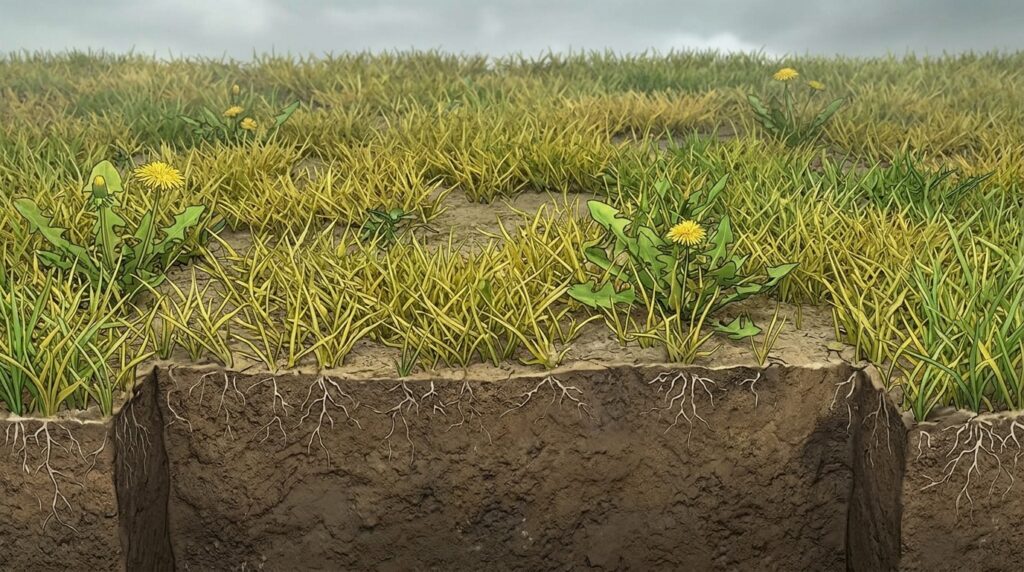
Soil testing helps landscapers understand whether roots can grow deeply and spread effectively. Compacted soil restricts root movement, leading to shallow root systems that dry out quickly and struggle in heat.
When soil conditions are corrected based on test results, roots grow deeper and stronger. This improves drought resistance, reduces weed invasion, and creates thicker turf over time.
Root health is the difference between a lawn that survives and one that thrives.
Why Weeds Often Signal Soil Problems
Weeds don’t appear randomly.
They take advantage of imbalance.
When soil conditions favor weeds over grass, weeds move in quickly. Some thrive in compacted soil. Others prefer nutrient-poor or acidic environments. If weeds dominate, it’s usually a sign that grass is at a disadvantage below the surface.
Landscaper soil testing identifies these imbalances and allows corrections that strengthen grass naturally. As grass becomes healthier, weeds lose their competitive edge.
This reduces reliance on aggressive weed treatments and improves long-term results.
Soil Testing Leads to Smarter Fertilization
More fertilizer doesn’t mean better results.
In fact, over-fertilizing can weaken lawns by promoting excessive top growth at the expense of roots. It can also increase runoff and environmental impact.
Soil testing allows landscapers to apply exactly what the lawn needs—no more, no less. Nutrients are delivered in the right ratios and at the right times.
This targeted approach improves lawn health while reducing waste and unnecessary expense.
Why Timing Matters After Soil Testing
Soil testing isn’t just about numbers.
It’s about timing.
Landscapers interpret results in the context of season, weather, and grass type. Corrections are made gradually to avoid shock and allow the lawn to adapt.
This thoughtful timing is what makes soil testing effective rather than disruptive. Adjustments support growth instead of forcing it.
The Long-Term Benefits of Soil Testing
The biggest advantage of landscaper soil testing isn’t instant improvement—it’s consistency.
Over time, soil becomes more balanced. Roots grow stronger. Grass recovers faster from stress. Lawns require fewer corrective treatments and become easier to maintain.
Instead of chasing problems each season, homeowners enjoy steady progress.
This long-term stability is why professional landscapers treat soil testing as foundational, not optional.
Why DIY Soil Testing Often Falls Short
Home soil test kits can provide basic information, but interpretation matters.
Numbers alone don’t explain how soil behaves under local conditions. Landscapers understand how Coventry’s soil, climate, and seasonal patterns influence results. They know how to translate data into action.
Without that expertise, homeowners may misinterpret results or apply corrections incorrectly.
Professional soil testing connects data to real-world solutions.
The Simple Plan Behind Professional Soil Testing
A landscaper’s approach to soil testing follows a clear path.
First, the soil is tested to establish a baseline.
Next, results are analyzed to identify limiting factors.
Finally, a customized plan is created to correct imbalances gradually.
This plan becomes the foundation for all future lawn care decisions.
Why Soil Testing Matters in Rhode Island
Rhode Island’s soil conditions are shaped by weather, freeze-thaw cycles, and varied terrain.
Heavy rain, summer heat, and compacted residential soil create challenges that require careful management. What works elsewhere may not work here.
Local landscapers understand these conditions and tailor soil testing recommendations accordingly. This regional insight improves results and prevents costly mistakes.
A Healthier Lawn Starts Below the Surface
A great lawn isn’t built with more effort.
It’s built with better information.
Landscaper soil testing gives homeowners clarity. It explains why problems exist and how to fix them correctly. It turns lawn care from guesswork into a system that works.
If your lawn has never lived up to its potential, the issue may not be what you’re doing.
It may be what the soil has been trying to tell you all along.