Why Green Roof Landscaping Is Skyrocketing in Popularity
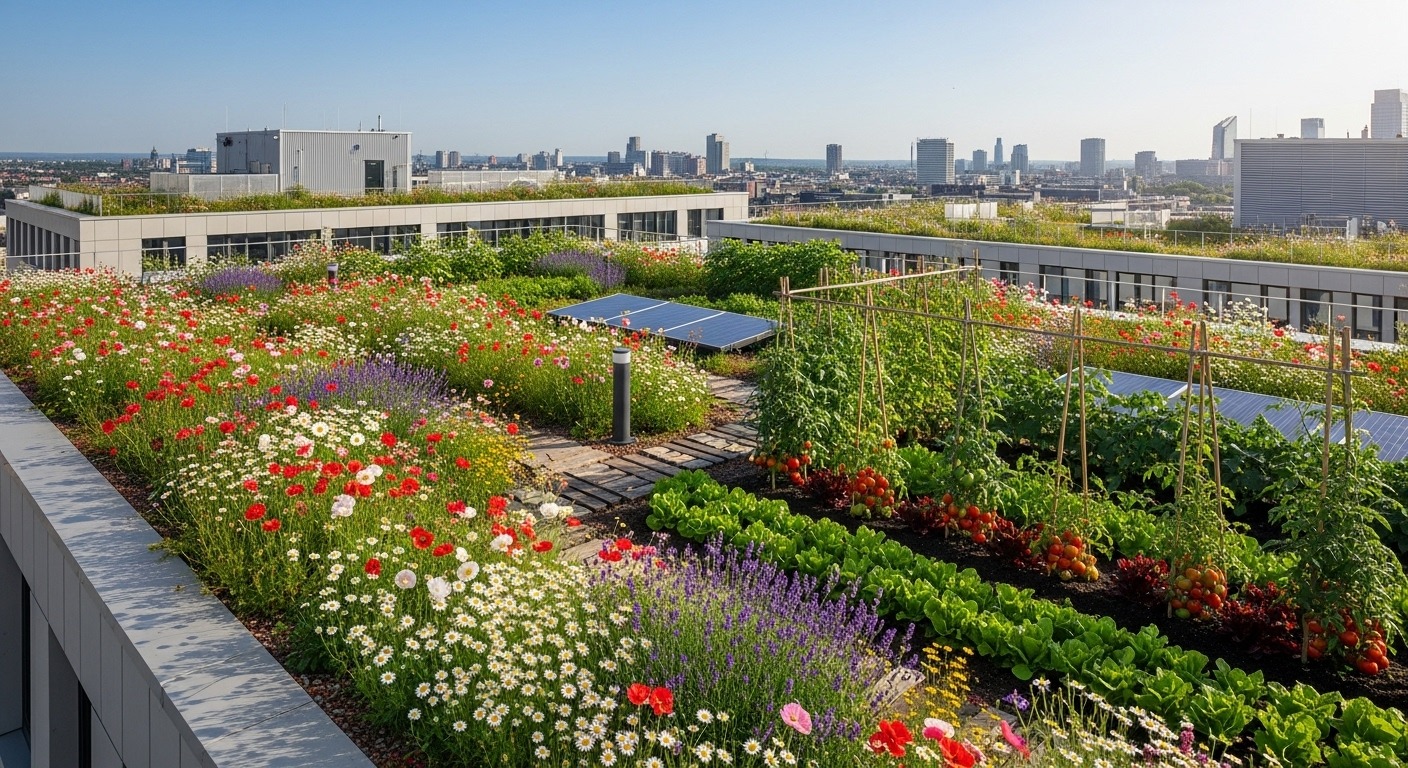
Picture this: instead of plain shingles or concrete, your rooftop bursts with color — wildflowers, lush greenery, maybe even a small vegetable patch. That’s not a fantasy. It’s the growing reality of green roof landscaping, and it’s changing how people think about their homes and cities.
Across Rhode Island and beyond, homeowners and property managers are turning unused rooftops into vibrant, living ecosystems. From small residential homes to large commercial buildings, green roofs are becoming the new symbol of sustainability, style, and smart design.
At Doug Greenwood Landscaping Co., we’ve seen firsthand how this eco-friendly upgrade not only beautifies properties but also reduces energy costs, improves air quality, and boosts property value. Let’s explore how green roof landscaping works — and why it’s one of the smartest landscaping trends of the decade.
Key Takeaways
- Green roof landscaping isn’t just an architectural trend — it’s a smart, sustainable solution that helps lower energy bills, improve air quality, and create relaxing green spaces.
- There are two main types of green roofs: extensive (low-maintenance, lightweight) and intensive (lush, garden-style systems).
- Native, drought-resistant plants are best for long-lasting, low-maintenance green roofs.
- Green roofs can last 40–50 years or more when installed and maintained properly.
- Doug Greenwood Landscaping Co. helps Rhode Island homeowners and businesses design and maintain eco-friendly outdoor spaces — including sustainable roof landscapes.
What Is Green Roof Landscaping?
The Basics
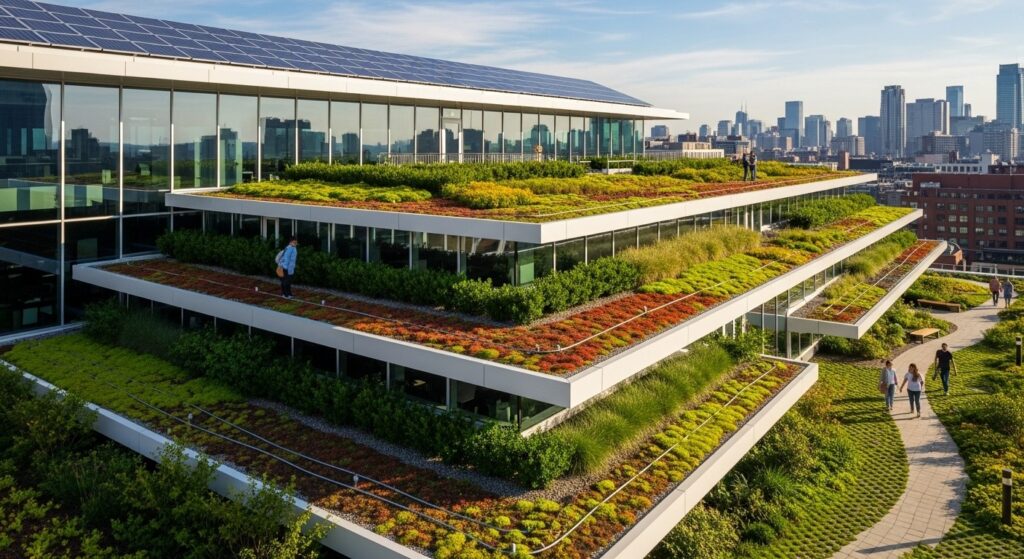
In simple terms, green roof landscaping is the practice of growing vegetation on rooftops. It’s a layered system that typically includes:
- A waterproofing membrane to protect your roof.
- A root barrier to keep plants contained.
- A drainage layer that prevents water buildup.
- A lightweight growing medium (soil substitute).
- And, of course, the plants themselves.
Think of it as building a mini garden on your roof — one that’s both functional and beautiful.
Traditional Roof vs. Green Roof
A regular roof reflects heat, sheds water, and wears down over time. A green roof, on the other hand, absorbs rainwater, filters pollutants, provides insulation, and even extends the lifespan of the roof underneath.
That’s a win for your home, your wallet, and the planet.
Types of Green Roof Landscaping Systems
Not all green roofs are the same. Depending on your goals, there are two main styles — extensive and intensive systems.
Extensive Green Roofs
These are designed to be lightweight and low-maintenance.
- Typically use shallow soil layers (2–6 inches).
- Feature drought-tolerant plants like sedum and moss.
- Don’t require regular irrigation or foot traffic.
- Perfect for residential homeowners looking for an eco-upgrade that won’t break the bank.
Intensive Green Roofs
These are the “rooftop gardens” you see on city buildings and luxury homes.
- Soil depth is much deeper (6 inches to several feet).
- Can support trees, shrubs, lawns, and even walkways.
- Require regular maintenance, watering, and structural support.
- Great for those who want a usable, lush outdoor space above ground.
At Doug Greenwood Landscaping Co., we help clients decide which system fits their property best — whether you’re a homeowner seeking a simple eco-roof or a business aiming for a showcase rooftop garden.
Why Green Roof Landscaping Is Gaining Popularity
Sustainability and Environmental Awareness
We’re living in an age where sustainability isn’t optional — it’s essential. People are more aware of how their homes impact the environment, and green roofs provide a tangible way to make a difference.
These living roofs:
- Reduce the urban heat island effect, cooling cities naturally.
- Absorb carbon dioxide and release oxygen.
- Capture and filter rainwater before it enters the drainage system.
It’s like giving the planet a breath of fresh air — one rooftop at a time.
Energy Efficiency and Cost Savings
A green roof acts as natural insulation. In summer, it keeps your home cooler. In winter, it holds in warmth. That means your HVAC system doesn’t have to work as hard, saving you up to 30% in energy costs over time.
It’s not just a design statement — it’s a financial investment that pays off.
Health, Beauty, and Well-Being
There’s something almost magical about greenery. Studies show that access to green spaces can lower stress, improve focus, and even boost mood. Imagine sipping coffee on your rooftop surrounded by nature — it’s your personal escape, no commute required.
Local Trends in Rhode Island
In places like Rhode Island, where Doug Greenwood Landscaping Co. operates, homeowners are increasingly interested in eco-friendly landscaping that thrives in coastal climates. Green roofs offer a sustainable solution for both stormwater management and natural cooling — ideal for our unpredictable New England weather.
Designing a Green Roof: The Step-by-Step Process
1. Assessing Your Roof
Not every structure can handle a green roof right away. Before installation, professionals evaluate:
- Roof slope and load capacity.
- Drainage and waterproofing needs.
- Sun exposure and local climate.
At Doug Greenwood Landscaping Co., we work closely with structural engineers to ensure your roof can safely support the system — because the foundation matters just as much as the flowers.
2. Choosing the Right Plants
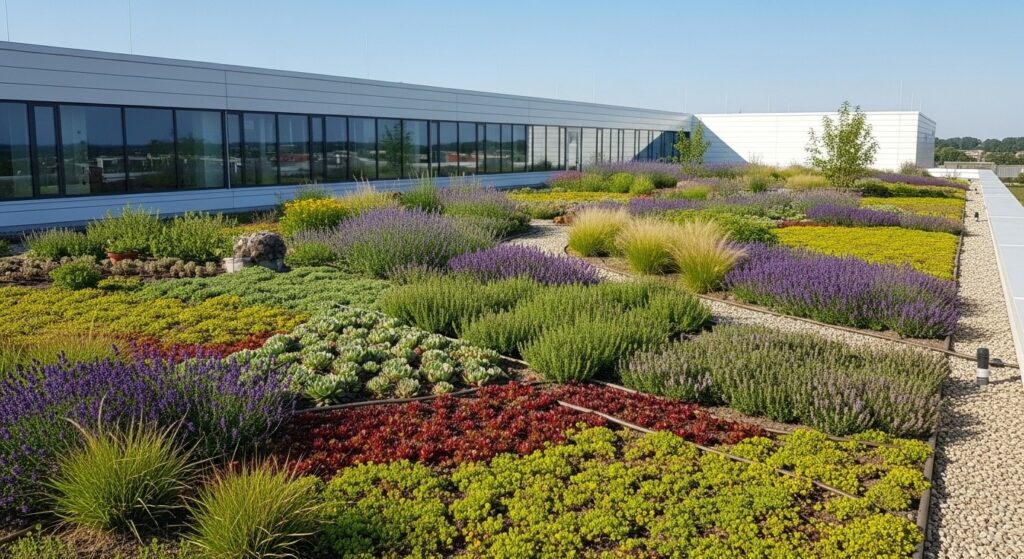
Here’s where the fun begins. The best plants for green roof landscaping are hardy, drought-resistant, and shallow-rooted. Top choices include:
- Sedums – the classic green roof plant, thrives in all conditions.
- Grasses and wildflowers – for a natural meadow look.
- Succulents – low-water, sun-loving plants that add texture.
- Native species – attract pollinators and require less maintenance.
Native plants also reduce the need for chemical fertilizers or pesticides, keeping your green roof — and the environment — healthier.
3. Drainage, Irrigation, and Soil
Proper drainage keeps your roof healthy. Without it, roots rot and water can seep into your structure. Most systems use layers of porous materials that let water flow while retaining enough moisture for plants.
Doug Greenwood’s team uses eco-friendly irrigation systems designed to conserve water and prevent overuse — because sustainability is built into every project.
4. Installation and Finishing Touches
After preparing the layers, it’s time to plant and grow. Depending on your system type, installation can take anywhere from a few days to a few weeks. Once complete, you’ll have a living, breathing landscape above your home that instantly boosts curb appeal and efficiency.
Maintenance: Keeping Your Green Roof Thriving
Routine Care
Like any landscape, your rooftop garden needs some TLC.
- Inspect plants seasonally.
- Remove weeds or invasive species.
- Check drainage systems and irrigation.
- Add compost or organic fertilizer when needed.
Extensive systems may only need attention twice a year, while intensive systems (those with trees and shrubs) benefit from monthly checks.
Professional Green Roof Maintenance
At Doug Greenwood Landscaping Co., we offer customized maintenance plans — because every roof is unique. Our experts handle everything from soil care to pest prevention, ensuring your rooftop stays lush and healthy year-round.
Common Problems and Fixes
- Overwatering: fixed with better drainage layers.
- Pest presence: controlled naturally with native plants and routine inspection.
- Dry patches: improved with mulch or targeted irrigation.
- Soil erosion: prevented by proper root barriers and edge detailing.
When done right, a green roof is remarkably low-maintenance — and incredibly rewarding.
The Real Costs and Long-Term Value
Yes, green roof landscaping can have higher upfront costs, but it’s important to view it as a long-term investment rather than an expense.
Installation Costs
- Extensive green roofs: typically $15–$25 per square foot.
- Intensive green roofs: $25–$40 per square foot (depending on design and plant type).
Energy and Environmental Savings
- Reduce energy costs by up to 30%.
- Extend roof life by twice the normal lifespan — because the vegetation protects against UV damage and temperature swings.
- Filter rainwater, reducing strain on city drainage systems.
Return on Investment
Studies show that green roofs can increase property value by up to 10–15% while cutting long-term maintenance costs. That’s why more homeowners and commercial developers are turning to trusted pros like Doug Greenwood Landscaping Co. to design their systems right the first time.
The Future of Green Roof Landscaping
The next wave of green roof innovation goes beyond plants. Homeowners are now combining vegetation with:
- Solar panels, for energy-efficient rooftops that both generate and save power.
- Smart irrigation systems, powered by AI and sensors that monitor soil moisture.
- Rainwater harvesting systems, to recycle every drop of nature’s gift.
Cities like Boston, Chicago, and New York are even adding green roof incentives and tax credits — proving that eco-roofs are not just trendy; they’re shaping urban living for the better.
As more property owners embrace sustainable living, companies like Doug Greenwood Landscaping Co. continue leading the charge in designing landscapes that blend beauty, innovation, and environmental care.
Conclusion: Bringing Sustainability to New Heights
Green roof landscaping isn’t just a trend — it’s a movement toward smarter, greener living. Whether you’re a homeowner dreaming of a serene rooftop escape or a business aiming for eco-credibility, a green roof offers beauty, comfort, and sustainability in one smart package.
At Doug Greenwood Landscaping Co., we believe every outdoor space — even your rooftop — can become a living, breathing work of art. With expert planning, eco-friendly materials, and a dedication to craftsmanship, we help turn gray rooftops into green havens that give back to both people and the planet.
Ready to go green from the top down?
Contact Doug Greenwood Landscaping Co. today to schedule your consultation and see how we can help you build a sustainable rooftop retreat that’s as beautiful as it is functional.
Frequently Asked Questions (FAQs)
Q1: What are the negatives of a green roof?
The biggest drawbacks are upfront cost, added roof weight, and the need for professional installation. However, these are easily managed with the right planning and experts. Doug Greenwood’s team ensures proper waterproofing, structural support, and drainage — eliminating most of these challenges from day one.
Q2: What plants are best for a green roof?
The best plants depend on your roof type and local climate. Common options include:
- Sedums and succulents (low-water, hardy).
- Native wildflowers and grasses.
- Herbs like thyme or chives for smaller rooftops.
Avoid deep-rooted trees or plants that need constant watering.
Q3: Do green roofs require a lot of maintenance?
Not at all — especially extensive ones. Once established, they typically need seasonal checkups. Intensive systems, however, benefit from regular care. Doug Greenwood Landscaping Co. offers maintenance packages to keep everything thriving year-round.
Q4: What is the life expectancy of a green roof?
A well-designed green roof can last 40–50 years or longer, far exceeding the lifespan of traditional roofing. The plant layers protect against UV damage, heavy rainfall, and extreme temperature changes.
Q5: Do green roofs attract pests or insects?
When properly maintained, no. In fact, green roofs often encourage balanced ecosystems with beneficial insects like bees and butterflies — not pests. Regular care ensures everything stays healthy and pest-free.