
Walkway Landscaping Designs to Enhance Your Home’s Entrance
Why Walkway Landscaping Matters
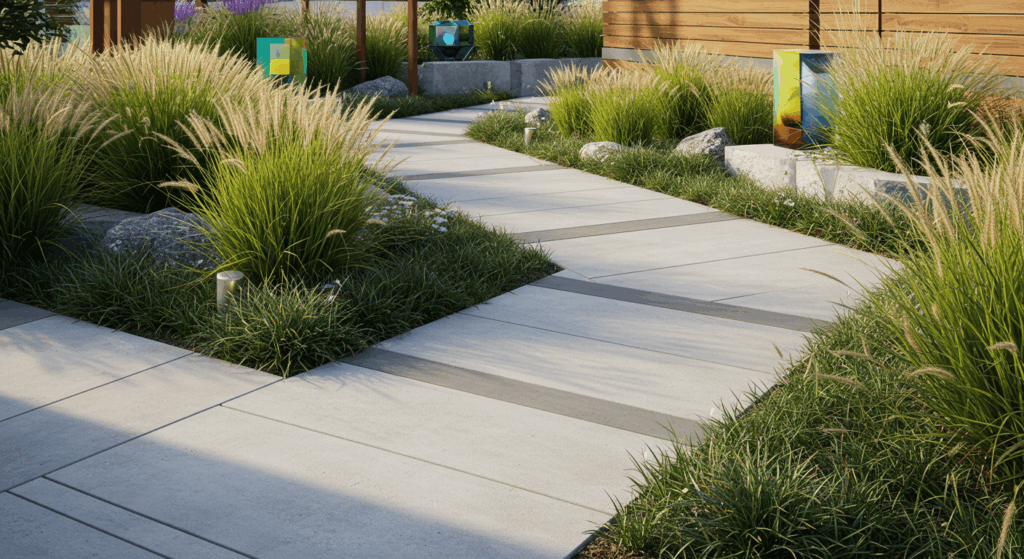
Think about the last time you walked up to someone’s home. Did you notice their front walkway? Maybe it was lined with colorful flowers, maybe it had a graceful curve that felt inviting—or maybe it was cracked, uneven, and covered in weeds. Whether we realize it or not, a walkway is a home’s first impression.
For homeowners, that strip of ground from the driveway or sidewalk to the front door isn’t just functional—it’s the welcome mat for your entire property. A well-designed walkway makes people feel at ease before they even step inside. For property managers, it can mean fewer complaints about muddy shoes or unsafe surfaces. For retirees, it can mean a low-maintenance feature that makes aging in place safer.
That’s why walkway landscaping has become one of the most requested upgrades in Rhode Island homes we work on at Doug Greenwood Landscaping Co. We’ve seen modest Cape-style homes in Coventry go from average to standout just by rethinking the walkway. We’ve seen renters in Warwick comment that a beautifully edged path made their apartment complex feel more like home.
In short: a walkway is never “just a walkway.” It’s a statement. And with the right design, it can transform your home’s entrance.
Key Takeaways
- Walkway landscaping is more than just a path—it sets the tone for your entire property.
- The right choice of materials, layout, and edging can boost curb appeal while keeping the design functional.
- Affordable solutions exist, like gravel walkways or plastic edging, that still look polished.
- Following design rules like the rule of 3 helps avoid clutter and create balance.
- Professional landscaping ensures your walkway is safe, long-lasting, and tailored to your property’s unique needs.
The Basics of Walkway Landscaping
Why Your Walkway Is More Than a Path
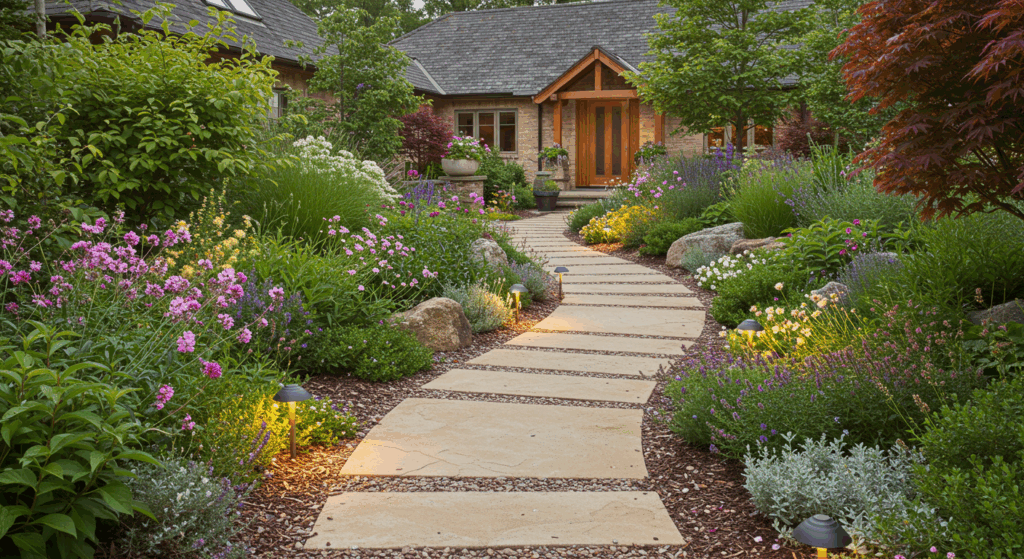
At its core, a walkway connects spaces: the driveway to the front door, the patio to the garden, or the back porch to the shed. But the way you design it—straight, curved, wide, narrow—sets the tone for how people experience your outdoor space.
A walkway can:
- Define your landscape’s style (modern, classic, rustic).
- Improve safety with stable footing.
- Guide visual flow through your yard.
- Add value by signaling a well-cared-for property.
Popular Walkway Materials
One of the biggest choices is material. Each comes with pros and cons:
- Concrete: Affordable, durable, and customizable with stamps or stains. Great for modern looks.
- Natural stone (like bluestone or flagstone): Timeless, elegant, but pricier and heavier.
- Brick: Classic charm, warm colors, and slip-resistant.
- Gravel: Budget-friendly, rustic, and quick to install. Works well with stepping stones.
- Pavers: Versatile, modular, and available in endless shapes, colors, and patterns.
At Doug Greenwood Landscaping, we often recommend pavers because they balance cost, durability, and style. They also allow for easier repairs—if one cracks, you can swap it out instead of re-pouring a whole section.
Walkway Landscaping Designs That Work
1. Straight Walkways
The most traditional option. A straight line feels formal, structured, and efficient. This is ideal for colonial-style homes or properties with smaller yards where simplicity works best. Pair it with symmetrical plantings like boxwoods on each side for a polished look.
2. Curved Walkways
Curves bring softness and intrigue. A gentle bend can make a yard feel larger by encouraging people to “explore” the path. This works beautifully for gardens or homes with a cottage vibe. In Coventry, we recently designed a curved flagstone path lined with lavender for a homeowner who wanted a storybook entrance.
3. Stepping Stone Paths
These are perfect for informal entrances or backyard transitions. Spaced-out stones with creeping thyme or moss growing between them create a natural, whimsical look.
4. Mixed-Material Designs
Why settle for one material? Combining brick borders with a gravel center or mixing flagstone with grass strips adds depth. This trend has exploded recently because it allows homeowners to get a custom look while managing costs.
5. Wide, Grand Entrances
For larger homes, a broad walkway makes a statement. Think double-wide pavers leading up to an entryway with lighting embedded along the sides. We did this for a Warwick property where the homeowner wanted guests to feel like they were approaching a boutique hotel.
Planting Along Your Walkway
Materials create structure, but plants make the walkway come alive.
Framing With Greenery
- Boxwoods or dwarf evergreens: Low-maintenance, evergreen structure.
- Seasonal flowers: Tulips in spring, mums in fall, for rotating color.
- Groundcovers: Creeping thyme, sedum, or ajuga soften edges and prevent weeds.
Rule of 3 in Landscaping
Here’s where the rule of 3 comes in. If you line your walkway with too many plant varieties, it looks messy. Stick with three main plant types: for example, a foundation evergreen, a seasonal flower, and a groundcover. This creates cohesion without boredom.
Adding Lighting
Don’t overlook lighting. Solar path lights or low-voltage LEDs not only add ambiance but also keep walkways safe after dark. We often recommend warm-toned lights in Rhode Island because they feel cozy in our long winters.
Walkway Edging Ideas
Edging is like the frame around a painting—it makes everything look intentional.
Popular Options
- Brick edging: Clean lines, traditional.
- Metal edging: Modern, thin, and unobtrusive.
- Plastic edging: Budget-friendly, easy to install.
- Stone edging: Upscale, blends naturally with walkways.
- Living edging: Low plants like liriope or mondo grass.
Why Edging Matters
Edging prevents grass from creeping in, reduces maintenance, and keeps mulch or gravel contained. Plus, even simple edging can add perceived value to your home because it shows attention to detail.
Practical Considerations for Walkway Landscaping
Drainage
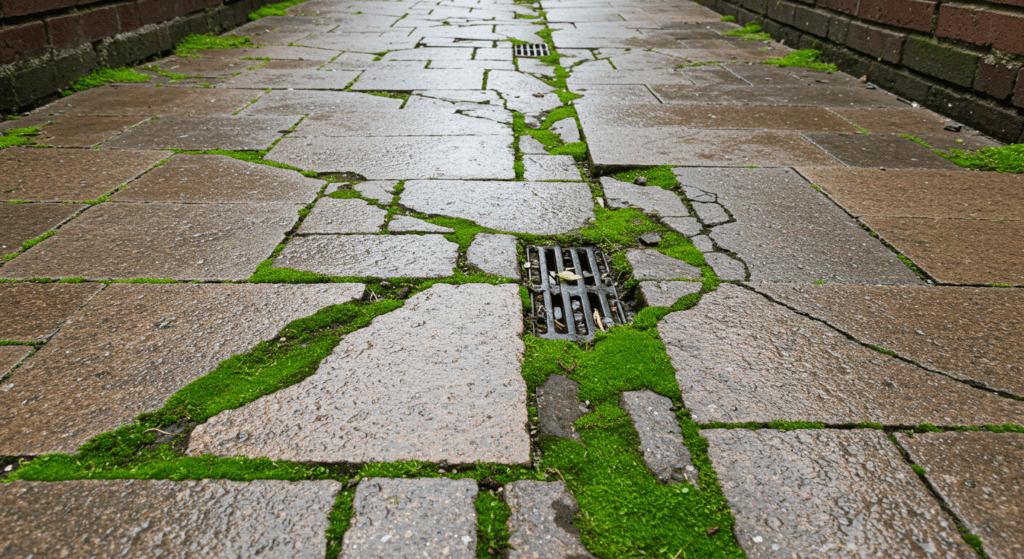
A walkway that holds water is a nightmare. Pooling leads to cracks, moss, and slippery surfaces. At Doug Greenwood Landscaping, we build in proper grading and base layers to ensure water runs off naturally.
Safety
Non-slip textures, smooth joints, and even surfaces matter—especially for families with kids or retirees. We’ve had clients specifically request handicap-accessible walkways with wider paths and gentle slopes.
Maintenance
Some materials (like gravel) need more upkeep. Others (like pavers) are almost set-it-and-forget-it. Think about how much time you’re willing to spend trimming, sweeping, or replacing.
Budget-Friendly Walkway Landscaping Ideas
Not everyone wants to splurge on natural stone. Luckily, affordable options can still look amazing.
- Gravel paths with stepping stones—simple but stylish.
- Mulch borders and solar lights—instant facelift.
- Plastic or metal edging—cost-effective way to get crisp lines.
- Drought-tolerant plants—less water, less maintenance.
We’ve had families in West Warwick refresh their front walkways for under $1,000 just by combining gravel, edging, and a few low-maintenance perennials.
Professional vs. DIY Walkway Landscaping
DIY is tempting. But here’s what we see time and again:
- Walkways that sink because the base wasn’t compacted.
- Pavers that wobble because they weren’t set right.
- Drainage nightmares that ruin landscaping.
Hiring professionals like Doug Greenwood Landscaping Co. means:
- Correct grading
- Long-lasting foundations
- Cohesive design that ties into the rest of your yard
We’ve been called to fix more DIY jobs than we can count. Sometimes, it costs more to repair than to do it right the first time.
How Walkway Landscaping Adds Value
Curb appeal isn’t just buzz—it’s dollars and cents.
- A neat, landscaped walkway makes your home stand out in the neighborhood.
- Realtors often note that homes with updated walkways sell faster.
- Safe, accessible walkways increase functionality for all ages.
- And let’s be real—coming home to a beautiful entrance just feels good.
FAQs About Walkway Landscaping
What is the cheapest type of walkway?
Gravel. Add stepping stones for stability and style.
What is the rule of 3 in landscaping?
Limit plantings to three main varieties for balance and simplicity.
What are the best walkway edging ideas?
Brick, stone, or metal—depending on budget and desired look.
Does edging add value to a home?
Yes. Clean, maintained edges signal care and increase curb appeal.
What is the most affordable border edging option?
Plastic edging. Inexpensive, effective, and easy to install.
Conclusion
A walkway may seem small in the grand scheme of your home’s exterior, but it carries huge weight in first impressions. Whether you choose a sleek modern concrete walk, a rustic gravel path, or a curved flagstone design, walkway landscaping transforms the entrance into a true welcome.If you’re ready to elevate your curb appeal, Doug Greenwood Landscaping Co. is here to help. We’ve worked across Rhode Island, from Coventry to Warwick, creating walkways that blend beauty, safety, and long-term value. Let us design a path that makes every step toward your front door feel like home.