
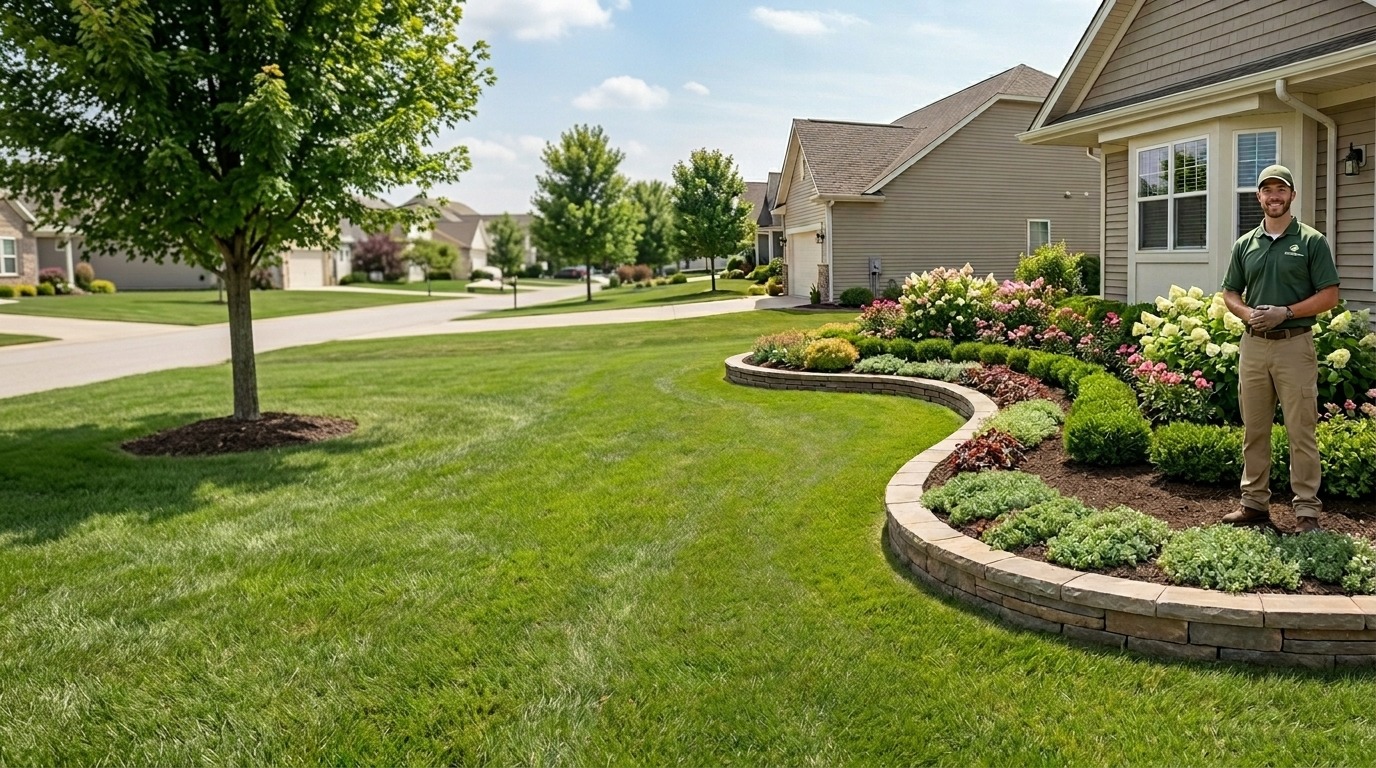
A beautiful flower bed does more than add color to a yard.
It draws the eye. It frames the home. It gives the landscape a sense of care and intention. Even a simple yard feels more complete when a well-designed flower bed is part of the picture.
Yet many homeowners struggle to achieve that result.
They plant flowers that looked great at the garden center but fade quickly. Beds look full at first, then become patchy or overgrown. Colors clash. Plants compete. Maintenance becomes frustrating instead of enjoyable.
The problem usually isn’t effort.
It’s design.
Creating a stunning flower bed isn’t about choosing the prettiest plants. It’s about understanding how plants, soil, space, and seasons work together. That’s why professional landscapers approach flower beds as part of a system—not a collection of flowers.
The Real Problem Behind Disappointing Flower Beds
Most flower beds fail quietly.
They don’t collapse all at once. Instead, they lose impact over time. Plants stop thriving. Gaps appear. Weeds creep in. What once felt vibrant begins to look tired.
The external problem homeowners see is a bed that doesn’t look right.
The internal problem is frustration: “I put time and money into this—why doesn’t it work?”
The philosophical problem is deeper: your landscape should reward care, not punish it.
A flower bed should grow more beautiful with time, not harder to manage.
You’re the Hero — Your Flower Bed Needs a Plan
Homeowners already know what they want.
They want a flower bed that looks balanced, colorful, and intentional. One that enhances the yard without constant fixing or replanting.
What they often don’t have is a clear plan.
That’s where a professional landscaper becomes the guide.
At Doug Greenwood Landscaping Co., flower beds are designed with long-term performance in mind. The goal isn’t just initial impact—it’s sustained beauty that works with the yard, not against it.
Why Design Matters More Than Plant Choice
Many homeowners start flower beds by picking plants first.
Landscapers start with structure.
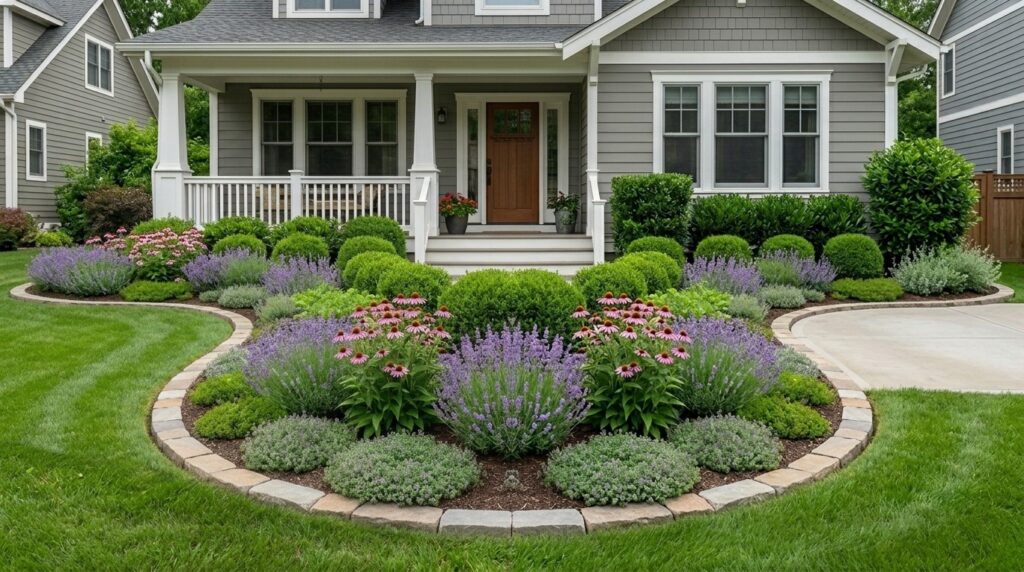
A successful flower bed has shape before it has flowers. Its size, curve, and placement determine how it fits into the landscape. Without this structure, even beautiful plants can look chaotic or disconnected.
Design provides visual flow. It guides the eye naturally across the yard. It creates a frame for the home instead of competing with it.
When design comes first, plant selection becomes easier—and more effective.
Understanding Space Prevents Overcrowding and Gaps
One of the most common flower bed mistakes is overcrowding.
Plants are often installed too close together to create instant fullness. While this looks good initially, it creates long-term problems. Plants compete for light, water, and nutrients. Growth becomes uneven. Airflow is reduced, increasing disease risk.
On the other hand, spacing plants too far apart leads to gaps and weed growth.
Landscapers plan spacing based on mature size, not nursery appearance. This allows plants to grow into the space naturally, filling the bed without overcrowding.
The result is a flower bed that improves with time instead of declining.
Soil Is the Hidden Foundation of Every Flower Bed
Flowers don’t fail because they’re weak.
They fail because the soil isn’t supporting them.
Soil structure affects drainage, nutrient availability, and root development. Poor soil leads to shallow roots, stress, and short bloom cycles.
Professional landscapers evaluate soil before planting. They improve it when needed, ensuring it can support healthy growth through changing seasons.
When soil health is addressed early, flower beds require less intervention later.
How Color and Texture Create Visual Balance
A stunning flower bed isn’t just colorful—it’s balanced.
Landscapers use color intentionally. Instead of random combinations, they consider how colors interact, how they change through the season, and how they look from different distances.
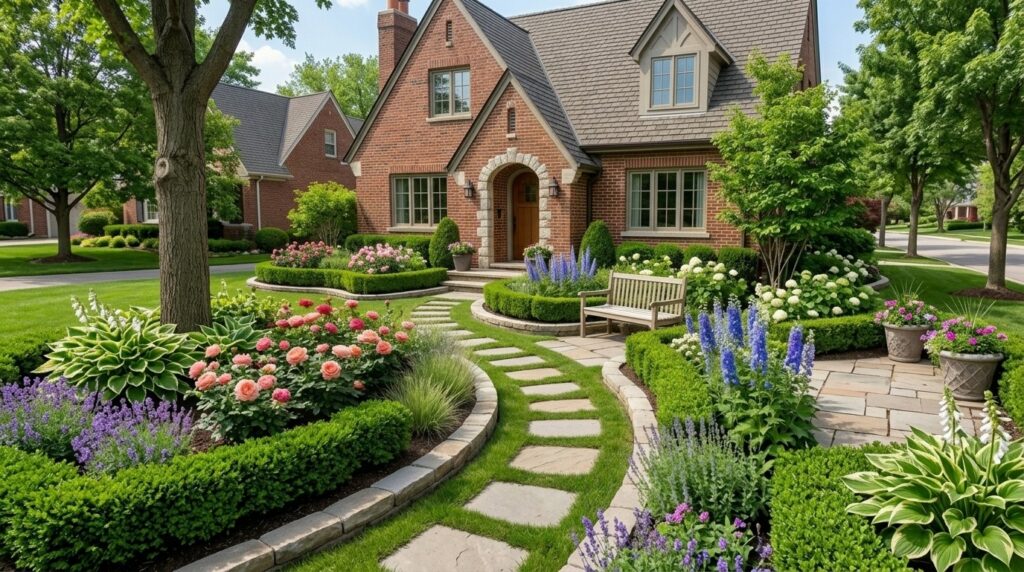
Texture plays an equally important role. Broad leaves, fine foliage, tall stems, and low groundcover create contrast that keeps beds visually interesting even when flowers aren’t in full bloom.
This balance ensures the flower bed remains attractive beyond peak flowering periods.
Why Seasonal Planning Makes a Difference
Flower beds don’t exist in one season.
They evolve.
Landscapers plan for succession—how the bed looks in spring, summer, and fall. Some plants shine early. Others take over later. Together, they ensure the bed never feels empty.
Without seasonal planning, flower beds often peak briefly, then fade.
A well-planned flower bed feels alive throughout the growing season, even as individual plants cycle in and out of bloom.
Maintenance Is Easier When Design Is Right
Many homeowners assume flower beds require constant maintenance.
In reality, good design reduces work.
Proper spacing limits weed growth. Mulching retains moisture and protects soil. Thoughtful plant selection reduces pruning and replacement.
Landscapers design flower beds to work naturally, not demand constant attention. Maintenance becomes predictable instead of overwhelming.
This is one of the biggest benefits of professional planning.
Why Mulch Completes the Flower Bed
Mulch isn’t just a finishing touch—it’s a functional layer.
It protects soil from temperature swings, reduces evaporation, and suppresses weeds. It also creates visual cohesion, making the bed look finished and intentional.
Landscapers apply mulch at the correct depth and keep it away from plant stems to protect root health.
Proper mulching extends the life and beauty of a flower bed throughout the season.
How Flower Beds Shape the Entire Landscape
A flower bed doesn’t exist in isolation.
It interacts with lawns, walkways, trees, and the home itself. When placed correctly, it anchors the landscape and provides transition between elements.
Landscapers consider sightlines and flow when designing beds. A well-placed flower bed can make a yard feel larger, more inviting, and more organized.
This is why professional flower beds often feel effortless—they’re integrated, not added on.
Why DIY Flower Beds Often Struggle
DIY flower beds fail for understandable reasons.
Homeowners work with limited time and incomplete information. They make decisions based on appearance instead of growth patterns. They adjust reactively instead of planning proactively.
The result is a bed that requires constant fixes.
Professional landscapers avoid this cycle by designing with the future in mind. They anticipate how plants will grow, spread, and interact over time.
This foresight makes all the difference.
The Simple Plan Behind a Stunning Flower Bed
Creating a lasting flower bed follows a clear approach.
First, the space is evaluated for light, soil, and flow.
Next, the bed is designed with structure and balance.
Finally, plants are selected and installed to support long-term health.
This plan removes guesswork and ensures the bed grows more beautiful each year.
Why Local Knowledge Matters in Rhode Island
Rhode Island’s climate affects how flower beds perform.
Seasonal temperature swings, humidity, and soil conditions all influence plant success. What works in other regions may struggle here.
Local landscapers understand these conditions and design flower beds that thrive in them. This regional knowledge improves durability and reduces replacement.
A Flower Bed That Grows Better With Time
A stunning flower bed isn’t about perfection on day one.
It’s about creating something that matures gracefully, stays balanced, and continues to enhance the yard year after year.
When designed by a professional, a flower bed becomes more than decoration. It becomes a defining feature of the landscape.
If your flower beds never seem to live up to their potential, the issue may not be effort or care.
It may be design.
And with the right guidance, that can change.