
Drought Landscaping Tips: How Landscapers Keep Lawns Alive During Dry Spells
When the Rain Stops, the Real Work Begins
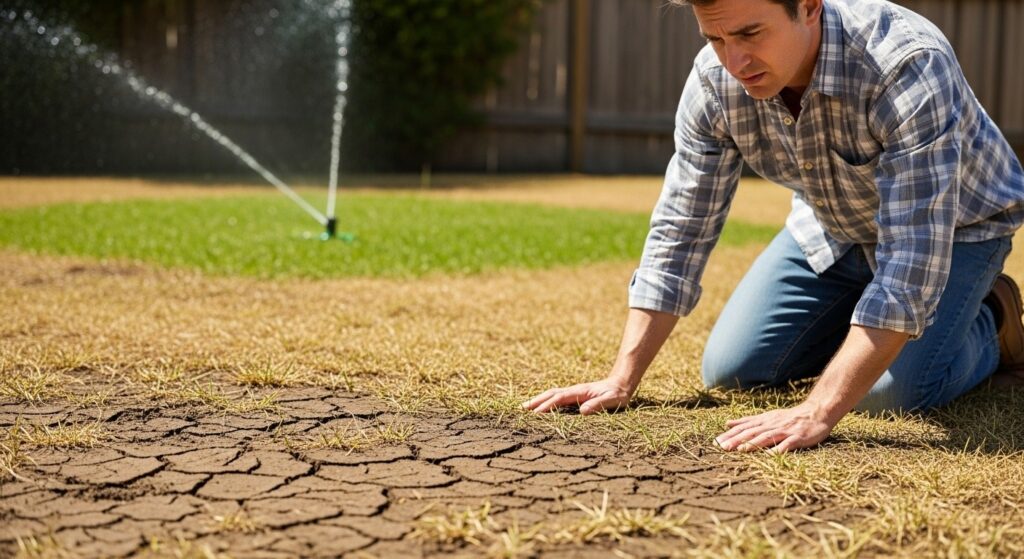
There’s nothing more heartbreaking for a homeowner than watching your once-lush, green lawn turn brown and brittle under the sun. Droughts can sneak up fast, leaving lawns stressed and thirsty. But here’s the truth — keeping your lawn alive during a drought isn’t impossible.
With the right mix of soil science, smart watering, and drought-friendly design, you can keep your yard looking alive and welcoming even when rainfall disappears. That’s where Doug Greenwood Landscaping Co. comes in. With decades of hands-on experience, they’ve helped Rhode Island homeowners and property managers beat the heat while protecting their landscapes.
This guide breaks down everything you need to know about drought landscaping tips — from designing with nature to managing water the smart way.
Key Takeaways
- Drought landscaping tips can save lawns, gardens, and water bills during extreme heat.
- Professional landscapers like Doug Greenwood Landscaping Co. use smart irrigation, soil health checks, and drought-tolerant plants to maintain curb appeal.
- Adjusting mowing, watering, and mulching habits during dry months can keep grass green without wasting water.
1. Understanding Drought Stress: What Really Happens to Your Lawn
When drought hits, lawns go into survival mode. Grass stops growing, roots dig deeper, and leaves curl to hold moisture. But if the dry spell continues, the soil hardens, nutrients lock up, and roots can’t breathe.
Doug Greenwood Landscaping Co. teaches clients to spot the early signs of drought stress:
- Grass turns bluish-gray instead of bright green.
- Footprints stay visible long after you walk across the yard.
- The soil feels hard and crumbly.
Catching these signs early lets you act fast — before damage becomes permanent.
2. Drought Landscaping Tips That Actually Work
2.1 Aerate Before the Heat Hits
One of the smartest moves? Aeration. By poking small holes in the soil, you help water and nutrients reach roots faster. It’s like giving your lawn room to breathe again.
Professionals at Doug Greenwood Landscaping Co. recommend aerating in early spring or late fall, before extreme heat kicks in.
2.2 Mulch Like a Pro
Mulch doesn’t just make your beds look neat — it’s your first defense against drought.
- Keeps the soil cool
- Reduces evaporation
- Prevents weeds from stealing moisture
Use organic mulch like shredded bark or compost. Over time, it also feeds your soil naturally.
2.3 Adjust Your Mowing Height
One of the most overlooked drought landscaping tips: cut higher, not shorter. Taller grass shades the soil and keeps roots cooler.
Set your mower blades to around 3–4 inches and avoid mowing when grass looks wilted.
3. Watering Smarter, Not Harder
3.1 Time It Right
Water early in the morning — ideally between 5 a.m. and 9 a.m. — when temperatures are low and evaporation is minimal. Midday watering? That’s a waste of time and water.
3.2 Deep and Infrequent Watering
Instead of quick daily watering, try soaking the soil deeply two to three times a week. This encourages roots to grow deeper where the soil stays moist longer.
3.3 Smart Irrigation Systems
Modern landscaping isn’t about hoses and guesswork anymore. Doug Greenwood Landscaping Co. installs smart irrigation systems that adjust automatically based on rainfall and soil moisture levels — saving gallons every week.
4. Choosing Drought-Tolerant Plants and Grasses
4.1 Go Native
Native plants are the unsung heroes of drought-proof design. They’ve evolved to thrive in your local climate with minimal water and maintenance.
In Rhode Island, think Little Bluestem, Switchgrass, and Black-eyed Susan — all stunning and hardy.
4.2 Best Drought-Tolerant Grass Varieties
Looking to reseed or renovate your lawn? Go for resilient blends like:
- Tall Fescue – Deep-rooted and stays green longer.
- Buffalograss – Low-growing and needs minimal water.
- Bermudagrass – Handles heat like a champ (great for sunny areas).
4.3 Low-Water Ground Covers
If you’re tired of mowing or watering large sections, swap grass for ground covers.
Top choices include:
- Creeping thyme
- Sedum
- Liriope
They add color, texture, and resilience — no sprinkler required.
5. Soil Health: The Secret Weapon Against Drought
Healthy soil acts like a sponge — it soaks up water and releases it slowly. But compacted, sandy, or nutrient-poor soil dries out fast.
Here’s what professional landscapers do:
- Test the soil pH to balance acidity.
- Add organic compost to improve structure and water retention.
- Topdress lawns with compost each spring for natural moisture management.
Doug Greenwood Landscaping Co. integrates soil testing into every long-term maintenance plan, ensuring lawns aren’t just green — they’re resilient.
6. Rethinking Lawn Design for Drought Seasons
6.1 Zoning Your Yard
Divide your yard into hydrozones — areas that share similar water needs.
Example: group your high-water plants (like flower beds) near your water source and low-water natives farther away.
6.2 Hardscaping with Purpose
Stone walkways, patios, and gravel beds reduce the amount of turf that needs water while adding visual balance.
Doug Greenwood Landscaping Co. uses permeable pavers and decorative stone to keep outdoor areas functional and eco-friendly.
6.3 Rain Barrels and Water Recycling
Even during a drought, there’s still runoff from AC units, morning dew, or light rain. Collect it.
A rain barrel system can supply gallons of free water for garden use.
7. Common Mistakes to Avoid During a Drought
- Overwatering – It can suffocate roots and cause shallow growth.
- Fertilizing in the heat – Chemicals burn the grass and stress it further.
- Ignoring shade opportunities – Trees and shrubs can reduce lawn temperature naturally.
- Cutting too short – Leaves soil exposed and accelerates moisture loss.
Avoiding these mistakes is half the battle — and hiring pros who know the local soil conditions makes the rest easy.
8. How Doug Greenwood Landscaping Co. Keeps Lawns Alive

When drought strikes, Doug Greenwood’s team doesn’t panic — they plan. Here’s their proven approach:
- Assess the property — identifying sun exposure, slope, and soil health.
- Create a water-efficient design — balancing turf, beds, and hardscape.
- Install smart irrigation systems — programmed for optimal water use.
- Educate homeowners — on seasonal care, mowing, and mulching techniques.
It’s not just about saving lawns; it’s about building sustainable landscapes that stay beautiful year-round.
9. Preparing for Future Droughts
Climate patterns are changing. Droughts that used to happen once a decade now appear every few years.
Homeowners can prepare by:
- Installing automatic rain sensors.
- Building drought-resistant garden zones.
- Scheduling seasonal soil testing and aeration.
- Consulting local experts like Doug Greenwood Landscaping Co. for long-term design planning.
Think of it as insurance for your landscape — planning ahead saves time, money, and heartache later.
10. Eco-Friendly Landscaping During Droughts
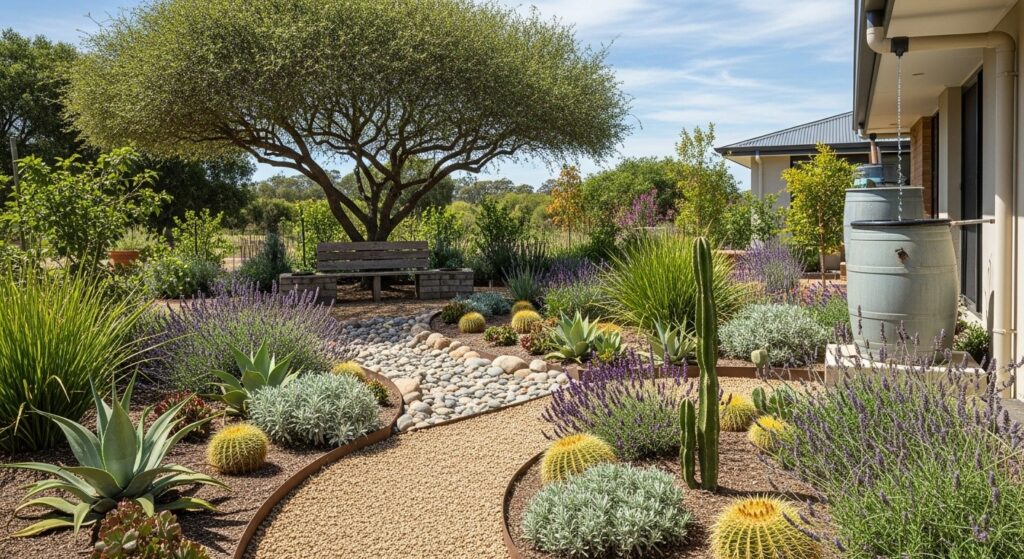
Eco-friendly landscaping isn’t just trendy — it’s necessary.
Doug Greenwood Landscaping Co. uses sustainable practices like:
- Native plant design that supports local pollinators.
- Compost mulching to cut down on chemical use.
- Smart water zoning that conserves resources.
By combining aesthetics with sustainability, they create outdoor spaces that are both stunning and responsible.
11. Case Study: Transforming a Dry Lawn in Rhode Island
A homeowner in Warwick called Doug Greenwood Landscaping Co. after a particularly dry summer. Their once-vibrant front lawn had turned dusty and patchy.
The team’s solution?
- Soil restoration with organic compost and aeration.
- Tall fescue reseeding for durability.
- Smart irrigation system installation with weather sensors.
- Native shrubs and mulch for long-term drought protection.
Within weeks, the difference was visible — the yard regained color, structure, and resilience.
12. Seasonal Maintenance Checklist
Spring:
- Aerate and test soil
- Reseed bare patches
- Apply compost topdressing
Summer:
- Mow high
- Water deeply, early in the morning
- Avoid fertilizing in extreme heat
Fall:
- Overseed for stronger root growth
- Mulch heavily before winter
Winter:
- Clear debris and fallen leaves
- Inspect irrigation systems for leaks
This maintenance rhythm ensures year-round health, even when drought conditions return.
Final Thoughts
Droughts test every homeowner’s patience — but they also reveal who’s prepared. With the right drought landscaping tips, you can keep your lawn alive and even thriving.
If you’re in Rhode Island and want to drought-proof your property, let Doug Greenwood Landscaping Co. take the reins. From smart irrigation to native garden design, they’ll help you build a landscape that stays green when others fade.
Because when nature turns up the heat, experience makes all the difference.
FAQs: Drought Landscaping Tips
How to design a drought-tolerant landscape?
Start by grouping plants with similar water needs (hydrozoning). Use native species, install drip irrigation, and add mulch to retain moisture.
Is it better to leave grass longer during drought?
Yes! Taller grass provides shade for the soil, keeping it cooler and reducing evaporation. Aim for 3–4 inches in height.
What is a good drought-tolerant ground cover?
Creeping thyme, sedum, and liriope are low-maintenance, colorful, and highly drought-resistant.
How to design a low-maintenance landscape?
Combine native plants, mulch beds, stone paths, and automated irrigation. The result? A beautiful yard that practically takes care of itself.
Should you water your lawn every day during a drought?
No. Deep watering two to three times per week is more effective. Daily light watering promotes shallow roots and increases stress.