
Spring Cleanup Checklist for Rhode Island Homeowners: Get Your Coventry Yard Ready
After a long Rhode Island winter, your lawn and landscape need attention. Snow, ice, salt, and months of dormancy take a toll — even on the hardiest Coventry properties. A thorough spring cleanup sets the foundation for a healthy, beautiful yard all season long.
At Doug Greenwood Landscaping Co., we have been preparing Rhode Island landscapes for spring since 1998. We know exactly what your yard needs after winter — and what mistakes to avoid. Here is our complete spring cleanup checklist.
1. Clear Winter Debris
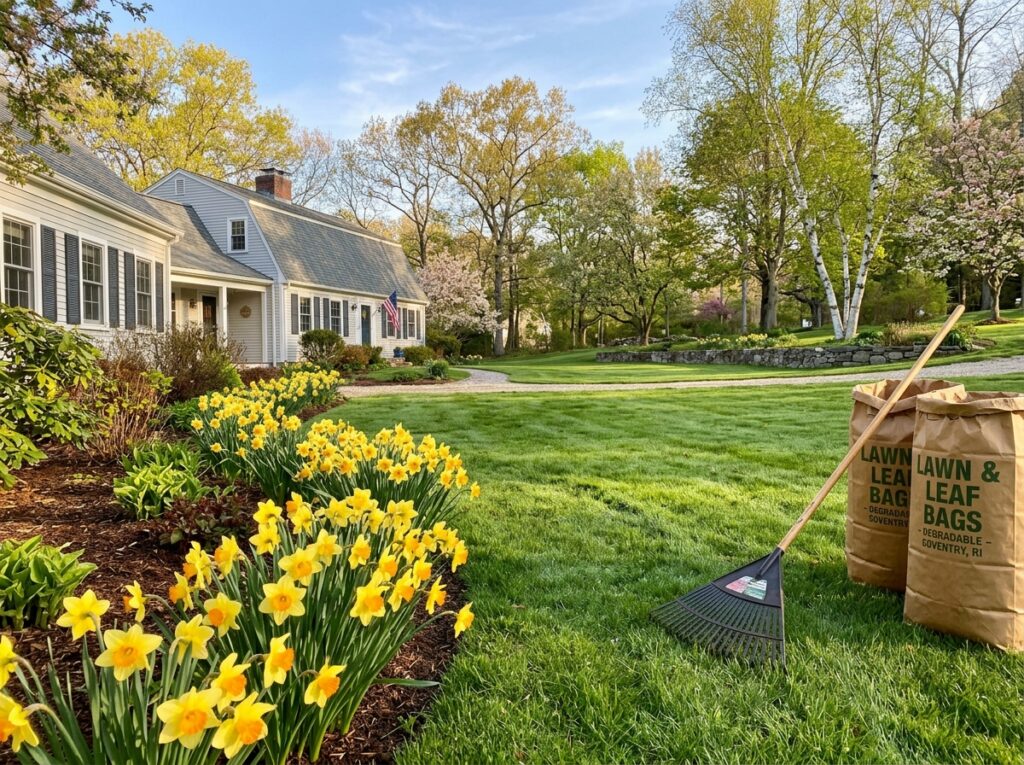
Start by removing everything winter left behind: fallen branches, dead leaves, pine needles, and any trash that blew in during storms. In Coventry, winter winds can deposit debris far from its source — check fence lines, under shrubs, and in corners where things accumulate.
What to do: Rake all lawn areas thoroughly. Remove matted-down patches of grass (snow mold). Clear leaves from planting beds — but leave any that are well-composted, as they add organic matter to the soil. Clean out gutters and downspouts so spring rain flows freely away from your foundation.
Pro tip from Doug: Do not rush to remove winter mulch from around sensitive plants. Rhode Island springs can bring surprise frosts well into April. Wait until nighttime temperatures consistently stay above 40 degrees.
2. Assess Winter Damage
Walk your entire property and look for damage. Common issues after a Rhode Island winter include cracked walkways from freeze-thaw cycles, dead or broken branches on trees and shrubs, heaved plants pushed up by frost, and lawn damage from snow plows or salt.
Flag any safety hazards like broken limbs hanging over power lines or walkways. Take photos of damage for insurance if needed. Make a list of repairs and prioritize safety issues first.
3. Prune Trees and Shrubs
Late winter and early spring are the best times to prune most trees and shrubs in Rhode Island. Plants are still dormant, so pruning wounds heal quickly when growth resumes. Remove dead, diseased, or crossing branches first. Thin out dense growth to improve air circulation.
What to prune now: Deciduous trees (maples, oaks, birches), summer-flowering shrubs (hydrangea, rose of Sharon, butterfly bush), and fruit trees. Wait to prune spring-flowering shrubs like lilacs and forsythia until after they bloom — otherwise you will cut off this year’s flowers.
What NOT to prune: Any trees or shrubs that bleed sap heavily (maples, birches, walnuts) can be pruned now but are less messy if you wait until after leaf-out.
4. Rake and Dethatch the Lawn
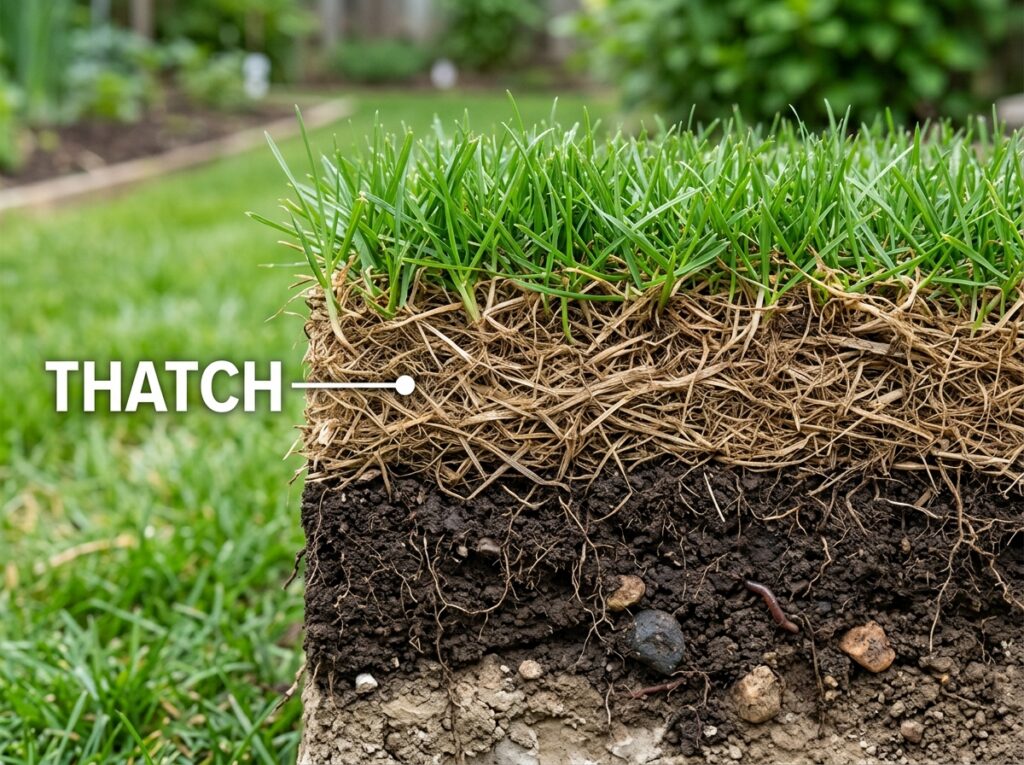
Thatch — the layer of dead grass, roots, and debris between the soil surface and green grass — builds up over time. A thin layer is fine, but more than half an inch blocks water, nutrients, and air from reaching the soil. Spring is the time to remove excess thatch.
Use a dethatching rake for small lawns or rent a power dethatcher for larger properties. Do not dethatch if the ground is still soggy — wait until it has dried out enough to walk on without leaving footprints.
5. Aerate Compacted Soil
Rhode Island winters compact soil — especially heavy clay soils common in parts of Coventry. Compacted soil restricts root growth, reduces drainage, and makes it harder for grass to access nutrients. Core aeration removes small plugs of soil, creating channels for air, water, and fertilizer to reach the root zone.
Spring aeration is best done after the lawn has been mowed once or twice and the soil is moist but not saturated. Leave the soil plugs on the lawn — they will break down naturally and add organic matter back to the soil.
6. Test Your Soil
Before you fertilize, know what your lawn actually needs. A soil test from the University of Rhode Island Cooperative Extension costs around twenty dollars and tells you exactly what nutrients are present and what is missing. This prevents over-fertilizing — saving money and protecting local waterways from nutrient runoff.
7. Edge and Mulch Planting Beds
Clean, defined edges make any landscape look polished. Use a half-moon edger or power edger to cut a clean line between lawn and planting beds. Remove old, compacted mulch and replace with fresh material — two to three inches deep, keeping it pulled back from plant stems and tree trunks to prevent rot.
8. Inspect and Repair Irrigation
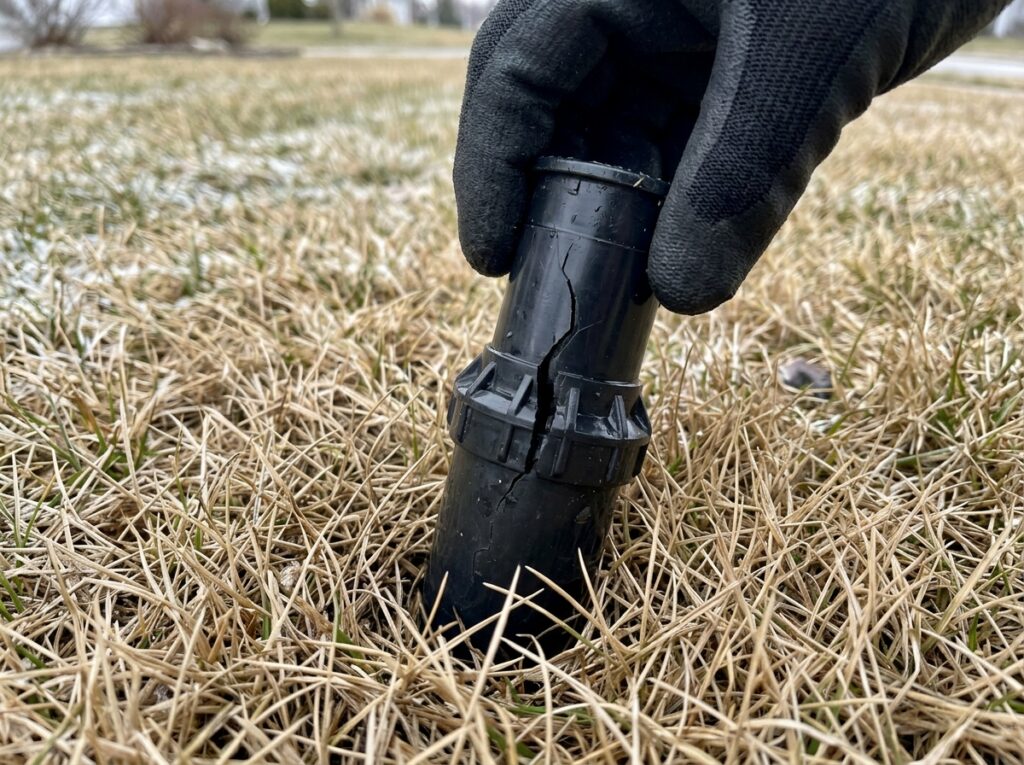
Before you turn on your sprinklers for the first time, inspect the entire system. Look for broken heads, cracked pipes, and areas where frost may have damaged components. Turn on each zone one at a time and watch for leaks, uneven spray patterns, or heads that need adjustment.
9. Plan Your Landscape Improvements
Spring is the best time to plan new projects. Whether you want to add a patio, install a water feature, redesign planting beds, or finally fix that drainage problem, early planning ensures the work gets done during the optimal season.
Get Professional Spring Cleanup in Coventry, RI
Spring cleanup is a big job — especially for larger Coventry properties. If you would rather spend your weekends enjoying your yard instead of working on it, Doug Greenwood Landscaping Co. can handle everything on this checklist and more.
Since 1998, we have been the trusted choice for spring cleanup in Coventry, RI. With 55 years of combined experience, our team works efficiently and thoroughly. We bring all our own equipment and clean up completely when the job is done.
Get Your Free Spring Cleanup Estimate →
📞 (401) 336-6032 | 33 Carr St, Coventry, RI 02816