
A healthy lawn doesn’t happen in one season.
It’s built over time—through changes in weather, temperature, and growth cycles that affect how grass responds throughout the year. What you do in spring matters in summer. What you do in fall affects everything that comes next.
Yet many homeowners approach lawn care as a series of isolated tasks. They react when something looks off instead of following a consistent plan.
That’s where seasonal lawn care makes the difference.
It turns lawn maintenance into a system—one that works with the natural rhythm of the year instead of fighting against it.
The Real Problem: Treating Lawn Care as One-Time Fixes
Most lawn issues don’t come from neglect.
They come from inconsistency.
A lawn may look good in one season but struggle in the next. Fertilizer is applied, but timing is off. Watering increases, but roots remain shallow. Small issues are addressed, but the bigger picture is missing.
The external problem is uneven or unpredictable results.
The internal problem is frustration: “Why can’t I keep it looking like this?”
The philosophical problem is simple: your lawn should improve with time, not reset every season.
Seasonal lawn care solves this by connecting each part of the year into one continuous plan.
You’re the Hero — Your Lawn Needs Consistency
Homeowners don’t want to guess what their lawn needs next.
They want clarity. They want a yard that looks good and stays that way without constant trial and error. They want predictable results instead of seasonal surprises.
What they need is guidance.
That’s where a professional landscaper becomes the guide.
At Doug Greenwood Landscaping Co., seasonal lawn care is built around long-term health. The focus isn’t just on fixing problems—it’s on preventing them by working with the natural cycle of the lawn.
Understanding the Lawn’s Natural Cycle
Grass doesn’t grow the same way all year.
It responds to temperature, moisture, and sunlight. There are periods of active growth, periods of stress, and periods of preparation. Each season plays a different role in the health of the lawn.
Seasonal lawn care recognizes these phases.
Instead of applying the same approach year-round, landscapers adjust care based on what the lawn is experiencing at that time. This alignment is what creates lasting results.
Spring: Building the Foundation
Spring feels like a fresh start.
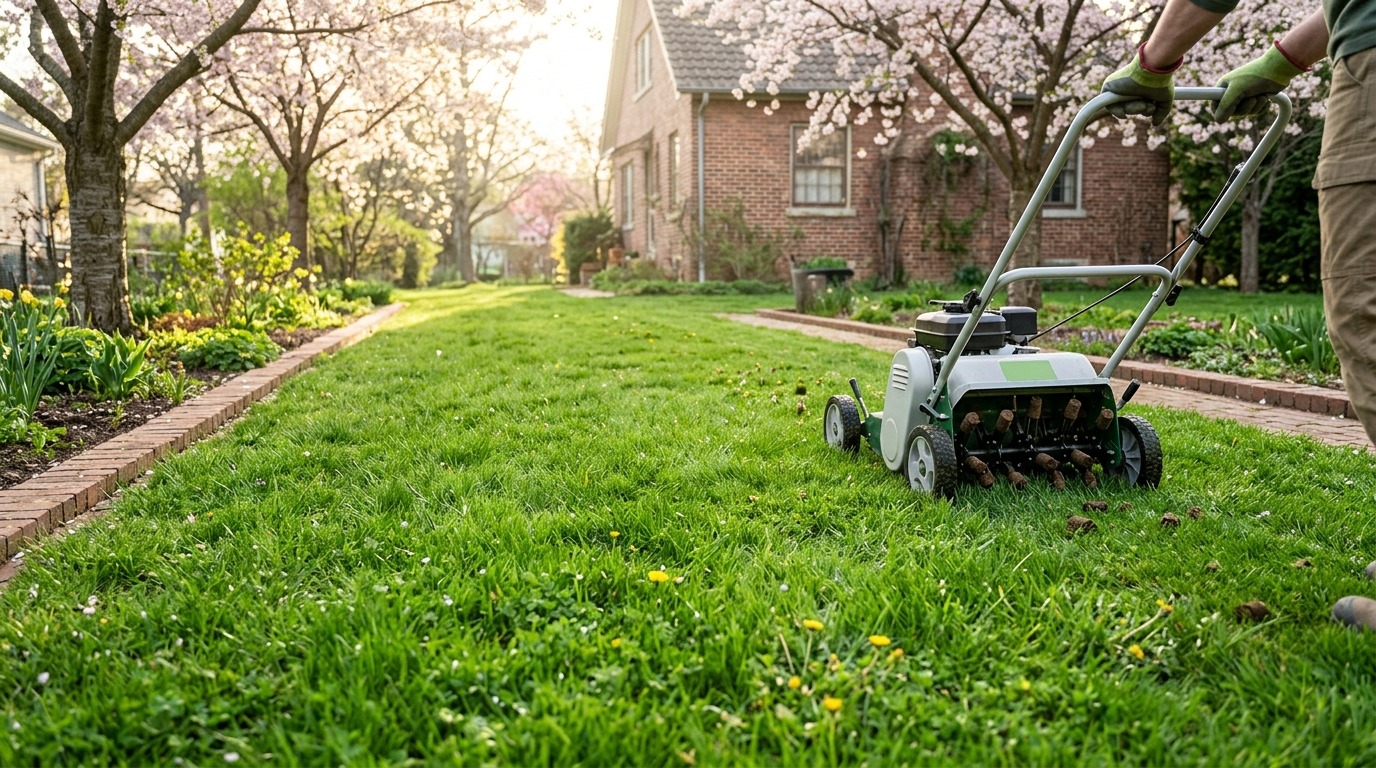
After winter, lawns begin to recover. Growth resumes, but the lawn is still fragile. This is a critical time for setting the tone for the rest of the year.
Seasonal lawn care in spring focuses on recovery and preparation. The goal is to strengthen the lawn without overwhelming it. Soil conditions are evaluated. Early growth is supported. Weak areas are identified.
This foundation determines how well the lawn handles the challenges of summer.
Why Early Mistakes Carry Through the Year
Spring is also where many lawn problems begin.
Over-fertilizing, mowing too short, or rushing growth can create stress that lingers. The lawn may look good temporarily, but its structure weakens beneath the surface.
Seasonal lawn care avoids these mistakes by focusing on balance instead of speed.
Healthy growth early in the season leads to stronger performance later.
Summer: Managing Stress and Maintaining Strength
Summer brings the toughest conditions.
Heat, dry periods, and heavy use all place stress on the lawn. Growth slows, and the lawn shifts from building strength to maintaining it.
Seasonal lawn care during summer focuses on preservation.
Watering becomes more strategic. Mowing is adjusted to protect the grass. The goal is to reduce stress and keep the lawn stable rather than pushing aggressive growth.
This approach prevents damage that can take months to repair.
Why Overcare Can Harm the Lawn in Summer
Many homeowners try to “fix” summer stress with more effort.
More water. More fertilizer. More cutting.
But during high-stress periods, the lawn needs less interference, not more. Overcare can weaken roots and create additional problems.
Seasonal lawn care recognizes when to step back.
Supporting the lawn without overloading it is key to maintaining health through summer.
Fall: Strengthening for the Future
Fall is one of the most important seasons for lawn care.
Temperatures become more favorable, and the lawn shifts into a period of recovery and growth. This is the time when roots strengthen and the lawn prepares for winter.
Seasonal lawn care in fall focuses on building resilience.
Nutrients are applied thoughtfully. Growth is supported at the root level. The lawn is prepared to handle colder conditions.
What happens in fall directly affects how the lawn returns in spring.
Why Fall Work Matters More Than It Seems
Fall often feels like the end of the season.
In reality, it’s the beginning of the next one.
A lawn that enters winter in strong condition will recover faster and grow more evenly in spring. Skipping fall care creates a weaker starting point, making early-season improvements harder to achieve.
Seasonal lawn care uses fall as a preparation phase, not a conclusion.
Winter: Planning and Protection
Winter may seem like a dormant period.
But it still plays a role in lawn health.
Cold temperatures and reduced activity give the lawn time to rest. At the same time, conditions during winter can affect soil structure and moisture levels.
Seasonal lawn care during winter focuses on protection and planning.
Avoiding unnecessary stress on the lawn and preparing for the next cycle ensures a smoother transition into spring.
How Seasonal Lawn Care Creates Long-Term Results
The biggest advantage of seasonal lawn care is continuity.
Each season builds on the last. Improvements carry forward instead of fading. The lawn becomes stronger, more consistent, and easier to maintain.
This long-term approach reduces the need for corrective treatments and creates a more predictable outcome.
Consistency is what turns effort into lasting results.
Why Soil Health Connects Every Season
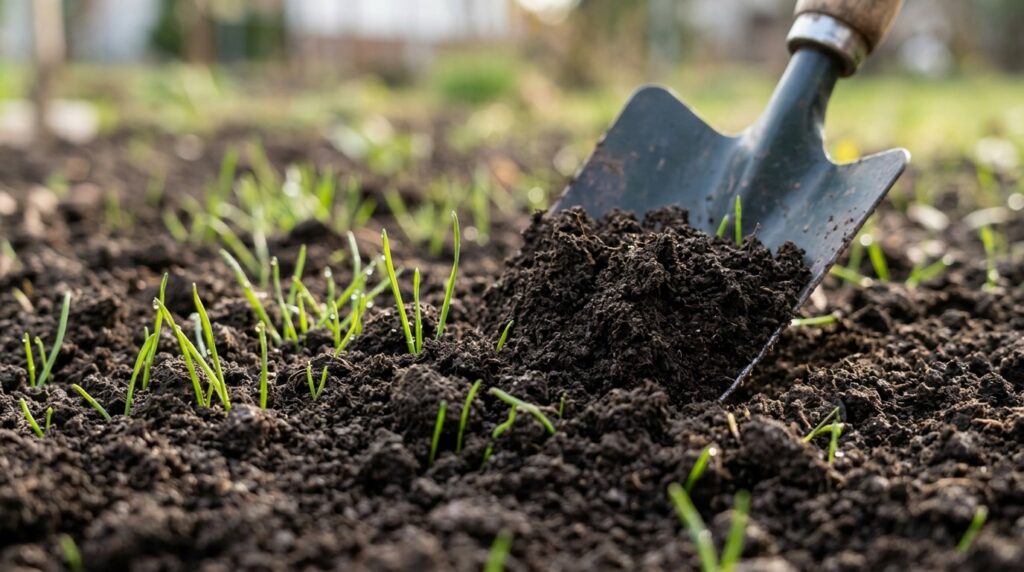
Soil is the constant in every season.
While conditions above ground change, soil health determines how the lawn responds. Compacted soil, poor drainage, or nutrient imbalance will affect growth no matter the time of year.
Seasonal lawn care addresses soil continuously.
By improving the foundation, landscapers ensure the lawn performs better in every phase of the cycle.
Avoiding the Cycle of Repeating Problems
Without a seasonal approach, lawn care becomes repetitive.
The same issues appear year after year. The same fixes are applied. Progress feels temporary.
Seasonal lawn care breaks this cycle.
By addressing root causes and aligning care with natural patterns, problems are reduced instead of repeated.
The Simple Plan Behind Seasonal Lawn Care
Seasonal lawn care follows a clear structure.
First, the lawn is evaluated to understand its current condition.
Next, care is adjusted throughout the year based on seasonal needs.
Finally, progress is monitored and refined to improve long-term results.
This plan connects every season into one continuous system.
Why Seasonal Lawn Care Matters in Rhode Island
Rhode Island’s climate creates distinct seasonal changes.
Cold winters, warm summers, and transitional spring and fall periods all affect how lawns grow. These shifts require careful timing and adjustment.
Local landscapers understand these patterns and apply seasonal lawn care strategies that match the environment.
This regional knowledge makes a significant difference in consistency and performance.
A Lawn That Improves Every Season
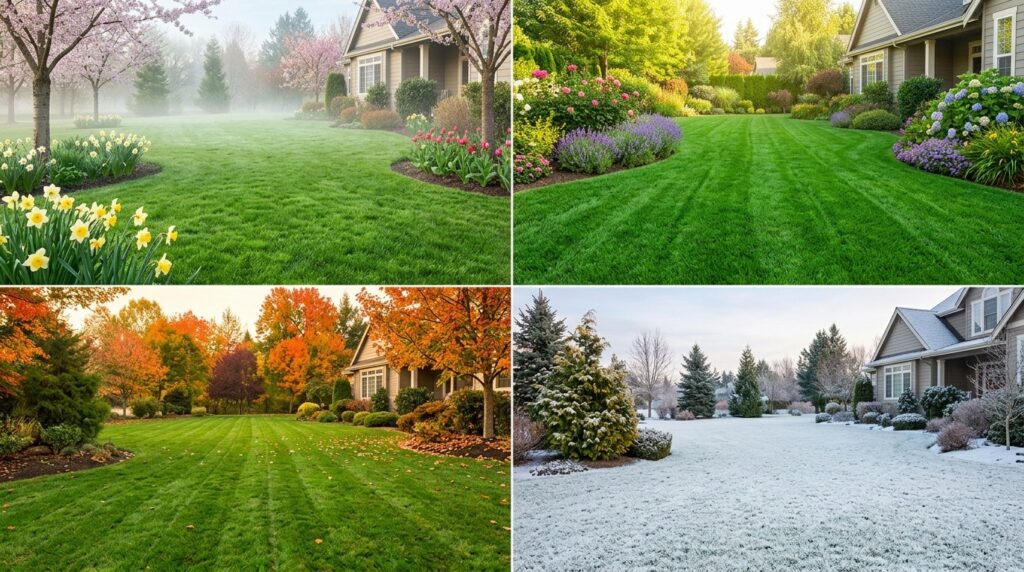
A great lawn isn’t built in a single moment.
It’s built over time.
With the right seasonal lawn care approach, your yard becomes more predictable, more resilient, and easier to maintain. Each season supports the next, creating steady improvement instead of constant resets.
If your lawn feels like it starts over every year, the solution isn’t more effort.
It’s a better system—one that works all year long.