
A new landscape can change everything about a home.
It can make a property feel more welcoming, more organized, and more complete. It can create spaces where people gather, relax, and actually spend time outdoors. It can even change how homeowners feel about their own space—turning something overlooked into something they look forward to using every day.
But not every landscape installation delivers that experience.
Some look great at first, then slowly lose their structure. Plants struggle. Surfaces shift. Maintenance becomes more demanding than expected. What was meant to add value ends up requiring constant attention.
The difference comes down to how the installation is approached.
This is where residential landscape installation becomes more than just a project—it becomes a long-term investment.
The Real Problem: Landscapes That Don’t Last
Most landscape issues don’t show up right away.
They appear gradually.
A patio begins to settle. Water starts to pool in certain areas. Plants don’t grow as expected. Over time, the yard loses the clarity and balance it had at the beginning.
The external problem is visible wear and inconsistency.
The internal problem is frustration: “We spent so much on this—why isn’t it holding up?”
The philosophical problem is simple: improvements to your home should get better with time, not harder to maintain.
Residential landscape installation needs to be built for longevity, not just immediate impact.
You’re the Hero — Your Home Deserves Lasting Value
Homeowners aren’t just looking for a quick transformation.
They want something that lasts.
They want a landscape that continues to perform season after season. One that doesn’t require constant fixes or replacements. One that adds value not just visually, but functionally.
What they need is a clear path forward.
That’s where a professional landscaper becomes the guide.
At Doug Greenwood Landscaping Co., residential landscape installation is designed with the future in mind. The goal isn’t just to create a finished look—it’s to build a system that continues to work over time.
Why Installation Is the Most Important Step
Design gets attention.
Installation determines results.
A well-designed landscape can fail if it’s not installed correctly. Soil preparation, grading, material placement, and plant installation all affect how the landscape performs long after the project is complete.
Installation is where decisions become permanent.
Landscapers focus on this stage because it sets the foundation for everything that follows.
Starting With the Right Foundation
Every successful landscape begins below the surface.
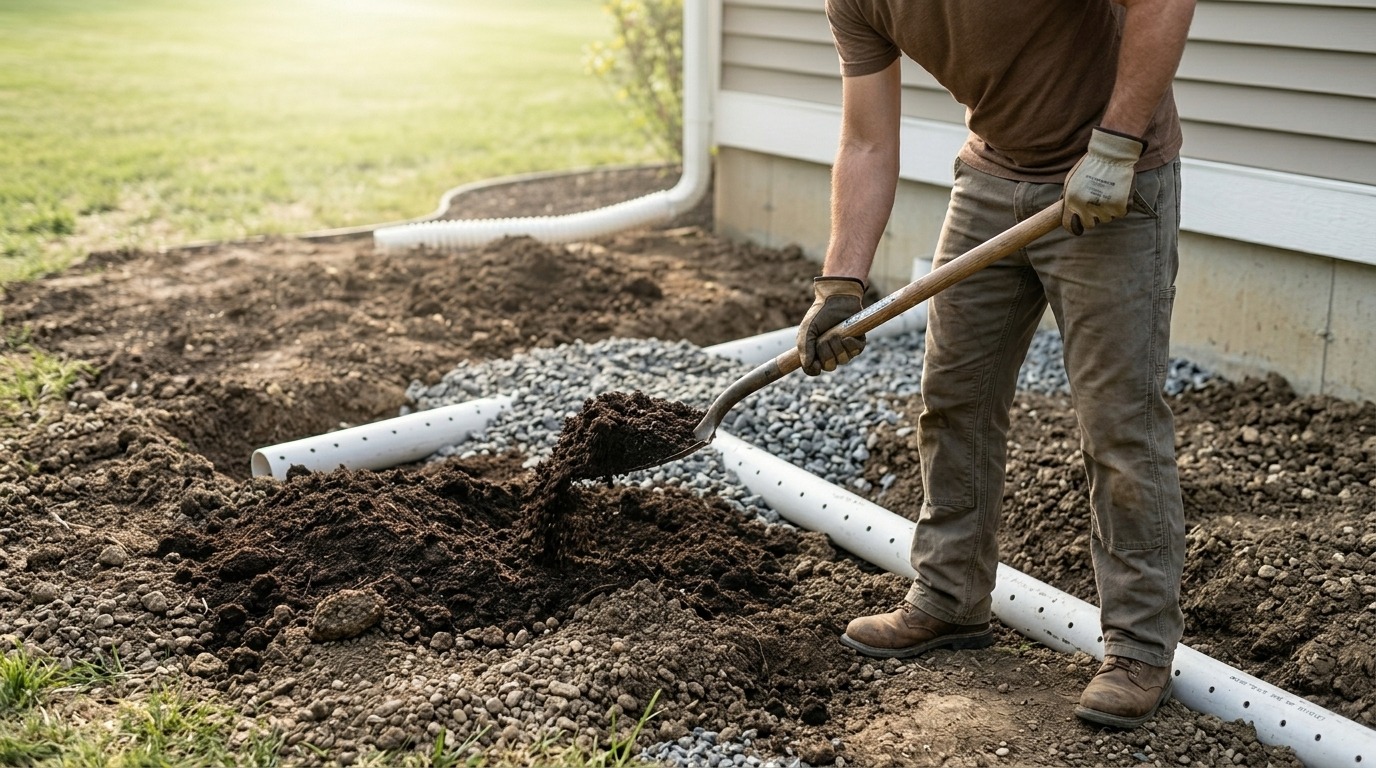
Soil conditions influence plant health. Compaction affects root growth. Drainage determines how water moves through the yard. If these factors aren’t addressed early, they create problems later.
Residential landscape installation includes preparing the ground to support long-term success.
This preparation may not be visible, but it’s one of the most important parts of the process.
Why Water Management Can’t Be Overlooked
Water is one of the most powerful forces in any landscape.
If it’s not managed properly, it can undermine hardscapes, weaken soil, and stress plants. Small drainage issues often become larger problems over time.
Professional installation includes planning for water movement.
Landscapers evaluate slopes, adjust grading, and ensure water flows away from structures and planting areas. This prevents erosion and protects the overall design.
Good drainage supports everything else.
Choosing the Right Plants for the Right Place
Not all plants belong in every yard.
Sunlight, soil type, and climate all affect how plants perform. Choosing plants based on appearance alone often leads to poor results.
Residential landscape installation focuses on compatibility.
Landscapers select plants that fit the specific conditions of the property. This ensures they grow naturally without requiring excessive maintenance or replacement.
When plants are well-matched to their environment, they thrive with less effort.
How Proper Spacing Prevents Future Problems
Spacing may not seem important at first.
But it becomes critical over time.
Plants that are placed too close together compete for resources. They become overcrowded and difficult to maintain. Plants that are too far apart leave gaps that invite weeds and reduce visual impact.
Professional landscapers plan spacing based on mature growth, not initial size.
This allows the landscape to fill in naturally and maintain balance as it develops.
Hardscapes Need More Than Surface-Level Planning
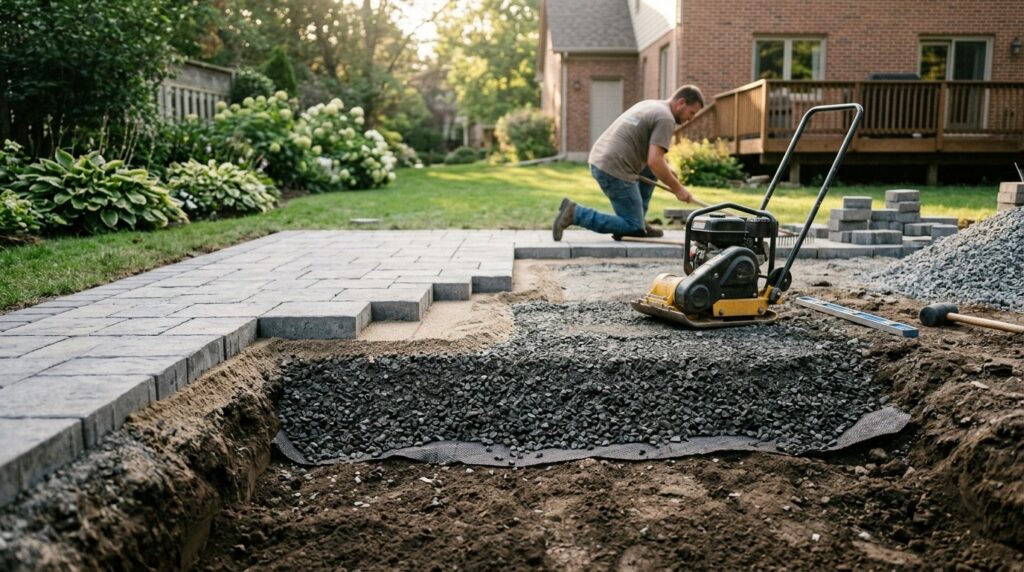
Hardscapes often appear stable from the start.
But their long-term performance depends on what’s underneath.
Base preparation, leveling, and material selection all affect durability. Without proper installation, hardscapes can shift, crack, or settle unevenly.
Residential landscape installation includes building these elements with long-term stability in mind.
A strong base prevents future issues and reduces maintenance.
Why Flow Matters in Residential Landscapes
A landscape isn’t just something you look at.
It’s something you move through.
Paths, transitions, and open spaces all contribute to how the yard feels. If movement is awkward or unclear, the space becomes less enjoyable to use.
Landscapers design and install landscapes with flow in mind.
They ensure that each area connects naturally to the next, creating a sense of continuity throughout the property.
Planning for Maintenance From the Start
Maintenance should never be an afterthought.
Some landscapes require more care than others. Without planning, homeowners may find themselves spending more time maintaining the yard than enjoying it.
Residential landscape installation includes considering maintenance needs early.
This involves selecting materials and plants that align with how much care the homeowner is willing to provide.
A well-planned landscape is easier to manage over time.
Avoiding Shortcuts That Lead to Long-Term Costs
Cutting corners during installation may reduce initial costs.
But it often increases long-term expenses.
Skipping soil preparation, rushing material placement, or ignoring drainage can all lead to problems that require correction later.
Professional landscapers avoid these shortcuts.
They focus on doing the work properly the first time, ensuring the landscape performs as intended.
The Long-Term Value of Thoughtful Installation
Residential landscape installation isn’t just about creating something new.
It’s about creating something that lasts.
A well-installed landscape improves property value, reduces maintenance costs, and enhances daily living. It becomes a stable part of the home instead of a recurring project.
This long-term value is what makes professional installation worth the investment.
The Simple Plan Behind Residential Landscape Installation
A successful installation follows a clear process.
First, the property is evaluated to understand its conditions and needs.
Next, the landscape is installed with attention to detail and long-term performance.
Finally, adjustments are made to ensure everything works together as intended.
This process creates a finished result that feels cohesive and durable.
Why Residential Landscape Installation Matters in Rhode Island
Rhode Island’s climate presents unique challenges.
Seasonal temperature changes, moisture variations, and soil conditions all affect how landscapes perform. Installation methods must account for these factors to ensure durability.
Local landscapers understand how to build landscapes that hold up in these conditions.
This experience makes a significant difference in long-term success.
A Landscape That Grows With Your Home

A well-installed landscape doesn’t stay the same.
It improves.
Plants mature. Spaces become more defined. The yard becomes more comfortable and easier to use. What started as a project becomes part of everyday life.
That’s the goal of residential landscape installation—to create something that continues to add value long after the work is done.
If you’re planning to improve your yard, the most important decision isn’t what to add.
It’s how it’s installed.