
Hardscaping vs Softscaping: Essential Guide for a Stunning Rhode Island Landscape
Every beautiful landscape balances two elements: hardscaping and softscaping. Understanding the difference — and how they work together — is the key to designing a yard that is functional, beautiful, and built to last through Rhode Island winters.
At Doug Greenwood Landscaping Co., we have been helping Coventry homeowners strike this balance since 1998.
What Is Hardscaping?
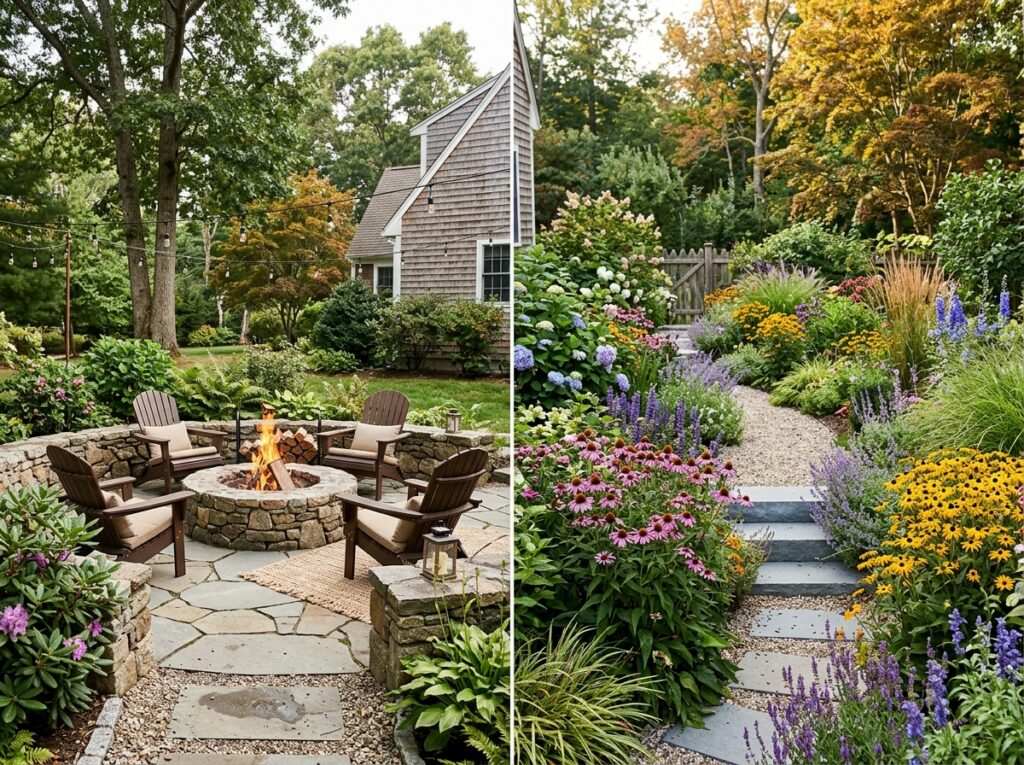
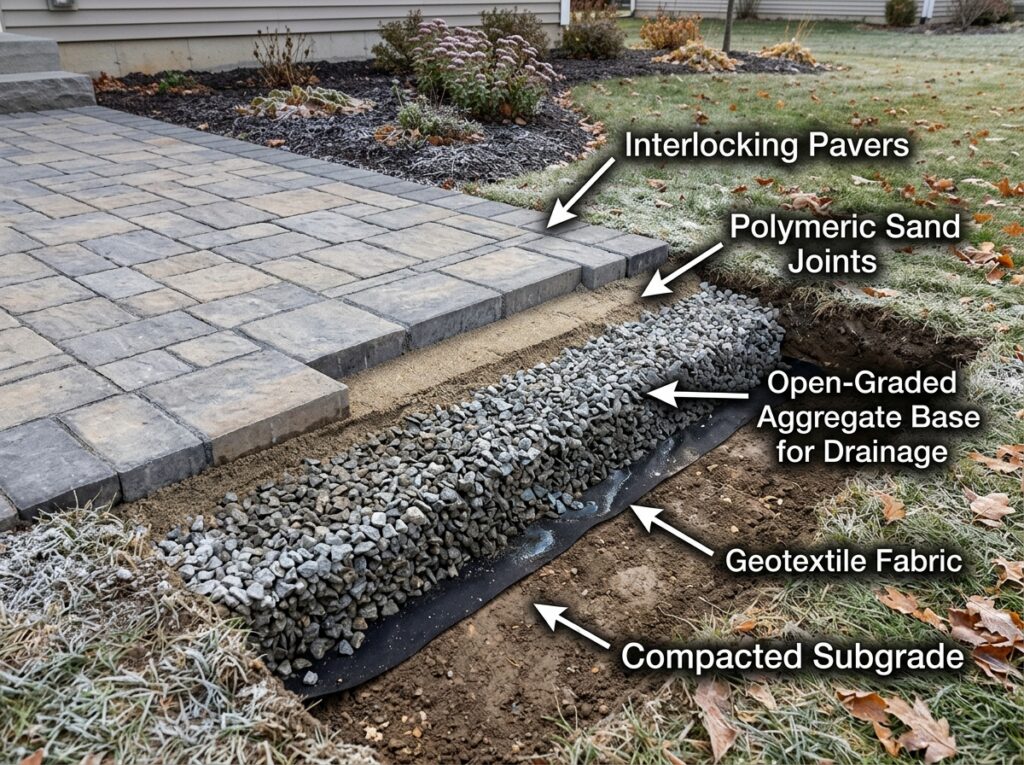
Hardscaping refers to non-living structural elements built from stone, concrete, brick, wood, or metal. These permanent features define the layout and function of your outdoor space. Common hardscaping includes patios, walkways, retaining walls, driveways, outdoor kitchens, fire pits, pergolas, fences, drainage systems, and landscape lighting.
In Rhode Island, hardscaping must withstand freeze-thaw cycles, heavy snow, and occasional flooding. Proper base preparation, drainage, and climate-rated materials are essential.
What Is Softscaping?
Softscaping refers to the living elements: plants, trees, shrubs, flowers, grass, and soil. It changes with the seasons, attracts wildlife, and creates the colors and textures that make your yard unique. Common softscaping includes lawns, trees and shrubs, perennial and annual flower beds, groundcovers, ornamental grasses, mulch, and container plantings.
The Key Difference
Hardscaping is permanent. A well-built stone patio lasts decades. It defines the bones of your landscape. Softscaping is living. It grows, changes, and requires care. They are complementary — great design uses hardscaping to create the framework and softscaping to bring it to life.
Why Balance Matters in Rhode Island
Rhode Island properties face clay soils that drain poorly, freeze-thaw cycles that crack poorly built hardscaping, humid summers that fuel plant diseases, and nor’easters that test every structure. Too much hardscaping feels cold. Too much softscaping lacks function. The right balance handles our weather while looking beautiful year-round.
Hardscaping Pros and Cons
Pros: Low maintenance, durable, adds usable living space, increases property value, functional in all seasons.
Cons: Higher upfront cost, requires professional installation, can increase runoff if not designed with drainage.
Softscaping Pros and Cons
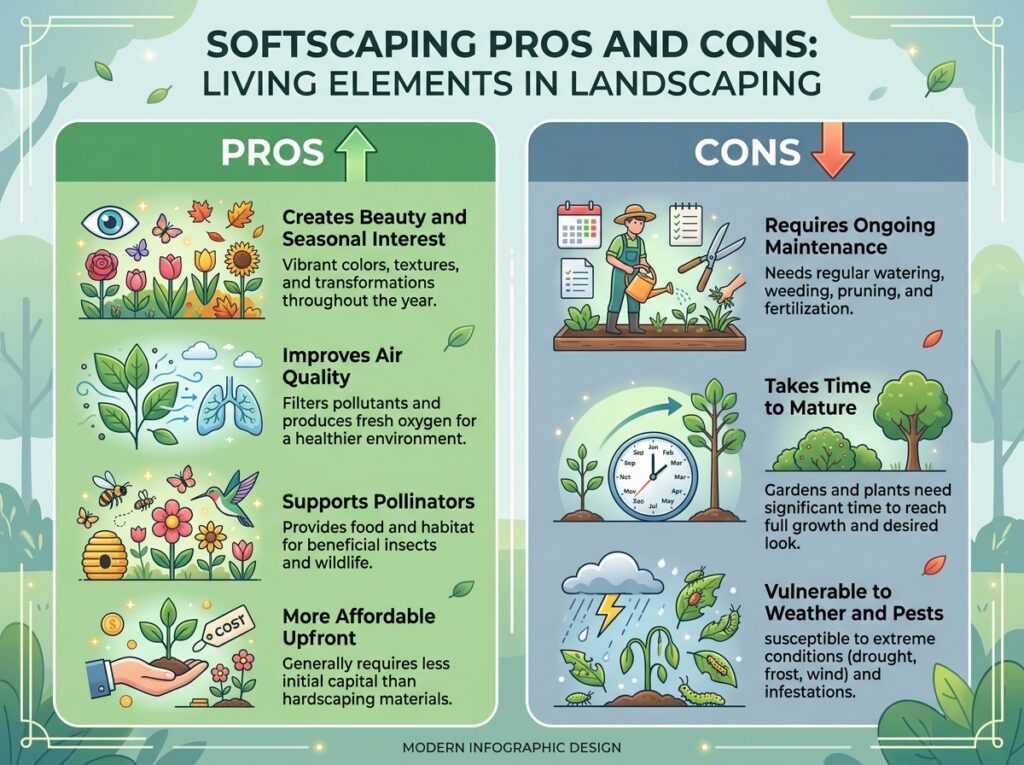
Pros: Creates beauty and seasonal interest, improves air quality, supports pollinators, more affordable upfront.
Cons: Requires ongoing maintenance, takes time to mature, vulnerable to weather and pests.
How to Get the Balance Right
Start with hardscaping. Define patios, walkways, and retaining walls first — these are the structure. Then layer in softscaping: foundation plantings along the house, trees for shade and privacy, flower beds along patios and walkways, and containers for seasonal color. The best Coventry landscapes use hardscaping to create outdoor rooms and softscaping to make them feel warm and inviting.
Get Your Free Landscape Design Consultation →
📞 (401) 336-6032 | 33 Carr St, Coventry, RI 02816