
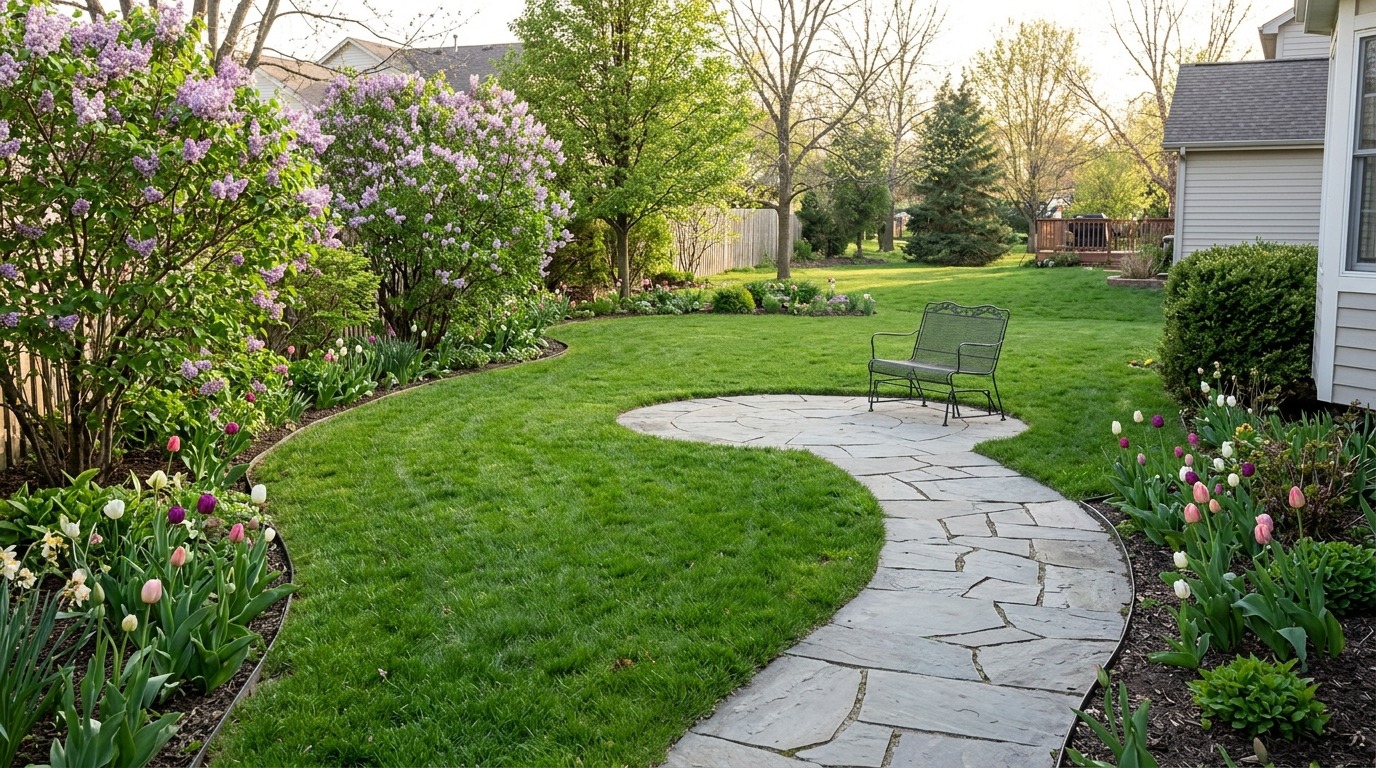
Landscapes are often judged by what grows.
Lawns, trees, and flower beds tend to get most of the attention, while the elements that don’t grow are treated as background details. Yet those non-living elements are what give a landscape its structure, function, and staying power.
That’s the role of hardscaping.
Hardscaping is what turns a yard from open space into usable space. It creates places to walk, sit, gather, and transition. Without it, even the healthiest landscape can feel unfinished or impractical.
Understanding hardscaping is the first step toward building an outdoor space that doesn’t just look good—but actually works.
The Real Problem: Landscapes Without Structure
Many yards struggle not because they lack plants, but because they lack organization.
Grass runs uninterrupted from edge to edge. There’s nowhere to pause, nowhere to gather, and no clear flow from one area to another. Maintenance becomes harder because everything blends together without boundaries.
The external problem is obvious: the yard feels flat or incomplete.
The internal problem is frustration: “We have space, but we don’t really use it.”
The philosophical problem is simple: outdoor spaces should be designed for living, not just viewing.
Hardscaping provides the structure that landscapes need to function.
You’re the Hero — Your Yard Needs Definition
Homeowners don’t want complicated outdoor spaces.
They want clarity. They want to know where to walk, where to relax, and how the yard connects to the home. They want spaces that feel intentional instead of accidental.
That’s where a professional landscaper becomes the guide.
At Doug Greenwood Landscaping Co., hardscaping is approached as a design foundation. The goal isn’t to add stone for the sake of it, but to define how the landscape is used and experienced.
What Hardscaping Really Is
Hardscaping refers to the permanent, non-living elements of a landscape.
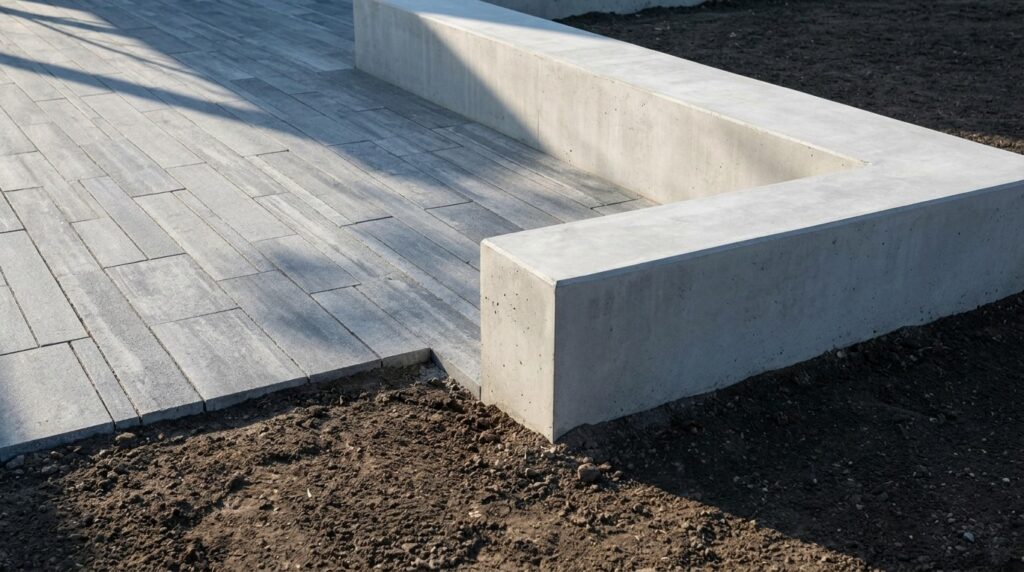
These features create form and function. They establish pathways, create gathering areas, manage elevation changes, and support the surrounding plantings. Hardscaping doesn’t replace greenery—it gives it a framework.
Without hardscaping, landscapes rely entirely on plants to do too much work. With it, each element has a clear role.
Why Hardscaping Changes How a Yard Is Used
A yard without hardscaping often looks bigger than it feels.
Once you step into it, there’s no guidance. Movement feels random. Furniture placement is awkward. Certain areas remain unused simply because they don’t feel anchored.
Hardscaping introduces purpose.
Paths invite movement. Patios invite gathering. Defined edges create visual clarity. The yard begins to feel organized and intentional.
This is why homeowners often use their outdoor space far more after hardscaping is added—even if no plants change at all.
The Balance Between Hardscape and Softscape
Hardscaping works best when it’s balanced.
Too little, and the landscape feels undefined. Too much, and it can feel rigid or overwhelming. Professional design finds the balance where structure supports growth rather than replacing it.
Hardscaping provides stability while plants add softness and change. Together, they create landscapes that feel both grounded and alive.
This balance is one of the most important principles in successful outdoor design.
How Hardscaping Supports Long-Term Durability
Plants change. Hardscapes anchor.
Seasonal growth, weather, and time constantly affect landscapes. Hardscaping helps manage those changes by stabilizing high-use areas, protecting soil, and controlling erosion.
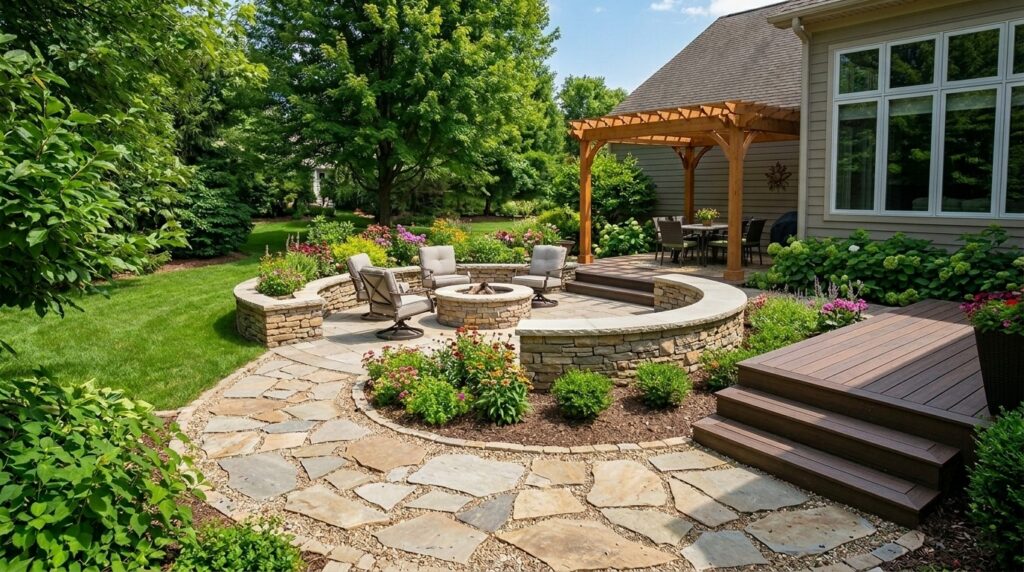
Walkways prevent wear on lawns. Retaining structures manage slopes. Defined edges keep materials where they belong.
This durability reduces maintenance and prevents gradual landscape breakdown.
Hardscaping and Outdoor Living
One of the biggest reasons homeowners invest in hardscaping is livability.
Hardscaping creates the spaces where life happens outdoors. Dining areas, seating zones, transitions from indoors to outdoors—all of these rely on stable surfaces.
Without hardscaping, outdoor living becomes limited by weather, terrain, and comfort. With it, outdoor spaces become extensions of the home.
This is why hardscaping is often the foundation of outdoor living design.
Why Materials Matter in Hardscaping
Hardscaping materials influence more than appearance.
They affect temperature, drainage, durability, and maintenance. Some materials stay cooler underfoot. Others handle freeze-thaw cycles better. Some require regular upkeep, while others age naturally.
Professional landscapers help select materials that match the property, climate, and how the space will be used.
The right material choice ensures hardscaping remains functional and attractive for years.
Hardscaping and Water Management
Water doesn’t disappear—it moves.
Hardscaping plays a major role in directing that movement. Proper grading, surface choice, and layout prevent water from pooling or damaging the landscape.
Without thoughtful hardscaping, rain can erode soil, undermine plantings, and stress foundations.
Landscapers design hardscaping to work with water instead of against it, protecting both the yard and the home.
Why Poor Hardscaping Causes Long-Term Problems
Hardscaping installed without planning often looks fine at first.
Over time, problems appear. Surfaces shift. Water collects. Edges break down. Repairs become more frequent and expensive.
These issues usually stem from design shortcuts rather than material failure.
Professional hardscaping avoids these problems by focusing on preparation, placement, and integration with the surrounding landscape.
The Long-Term Value of Hardscaping
Hardscaping adds value in ways that go beyond appearance.
It improves usability, reduces maintenance, and protects the landscape from wear. It also enhances curb appeal and creates a sense of permanence.
Homeowners often find that hardscaping delivers some of the highest returns on outdoor investment—not because it’s flashy, but because it’s functional.
A well-designed hardscape makes everything else work better.
The Simple Plan Behind Professional Hardscaping
Professional hardscaping follows a clear process.
First, the property is evaluated for flow, elevation, and use.
Next, hardscape elements are designed to support movement and function.
Finally, materials are installed with carefully to ensure stability and longevity.
This plan ensures hardscaping serves the landscape instead of dominating it.
Why Hardscaping Matters in Rhode Island
Rhode Island’s climate places unique demands on outdoor spaces.
Freeze-thaw cycles, moisture changes, and seasonal use all affect how landscapes perform. Hardscaping designed for these conditions lasts longer and requires fewer repairs.
Local experience matters when selecting materials and layouts that hold up year after year.
A Landscape Built to Last
Hardscaping isn’t about making a yard harder.
It’s about making it stronger.
By providing structure, guiding movement, and supporting plant life, hardscaping turns open land into a landscape that works. It creates spaces meant to be used, enjoyed, and relied on through every season.
If your yard feels underused or unfinished, the solution may not be more plants.
It may be the structure that brings everything together.