
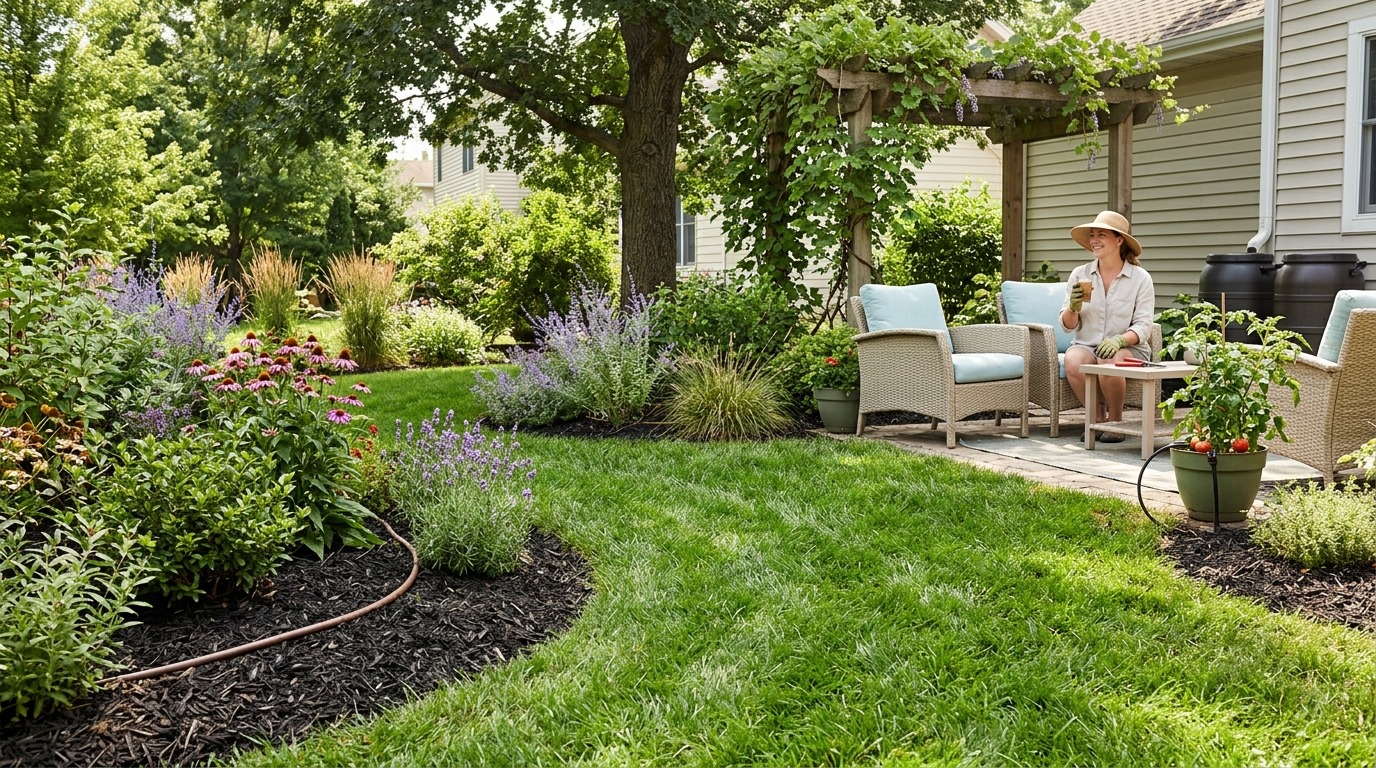
Summer has a way of exposing everything.
The sun gets stronger. Rain becomes unpredictable. Lawns that looked perfect in spring suddenly struggle to keep up. Grass fades, plants wilt, and once-green yards begin to look tired and stressed.
For many homeowners, summer feels like a turning point. It’s the season when outdoor spaces should be enjoyed the most—yet it’s also when landscapes require the most care.
Keeping a yard fresh in summer isn’t about working harder. It’s about working smarter and understanding how heat, sunlight, and moisture interact with your landscape.
The Real Problem Summer Creates for Yards
Summer doesn’t damage yards overnight.
It wears them down slowly.
Heat increases evaporation. Soil dries faster. Roots struggle to access moisture. Lawns become shallow-rooted and vulnerable. Plants that thrived in cooler months suddenly face constant stress.
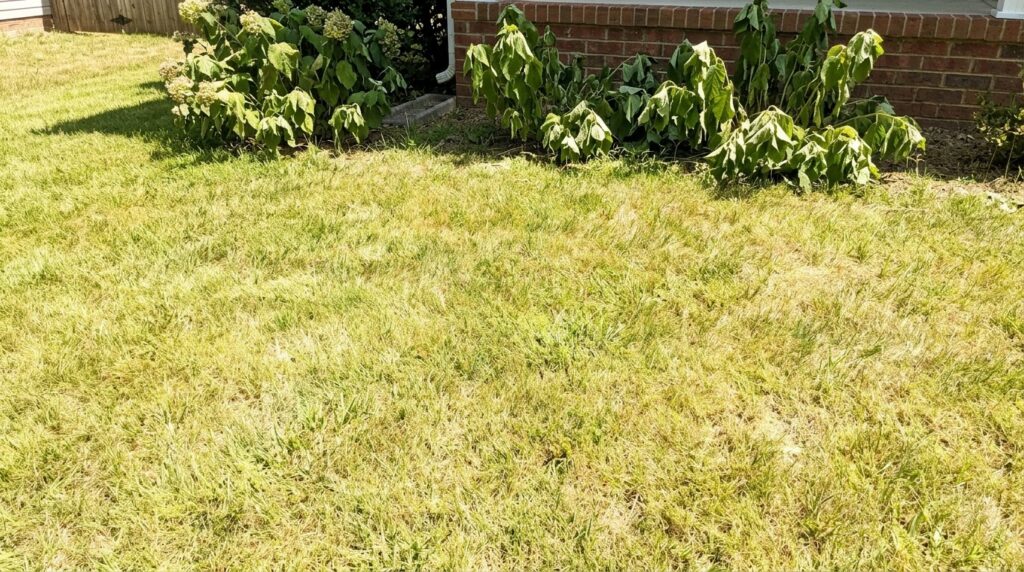
The external problem is visible: browning grass, drooping plants, and patchy areas.
The internal problem is frustration: “I’m watering and maintaining, but things still look off.”
The philosophical problem is deeper: you shouldn’t lose the beauty of your yard just because the season changed.
Summer isn’t the enemy. Mismanaged summer conditions are.
You’re the Hero — Your Yard Needs a Seasonal Strategy
Homeowners don’t fail their yards in summer.
They simply treat summer like spring.
But summer demands a different approach. Water behaves differently. Soil temperatures rise. Grass growth patterns change. What worked a few months ago may now cause stress instead of support.
That’s where professional guidance makes the difference.
At Doug Greenwood Landscaping Co., summer landscaping is treated as its own season with its own priorities. The goal isn’t just to keep things alive—it’s to keep them healthy, resilient, and attractive through the toughest months of the year.
Why Summer Stress Shows Up in Lawns First
Lawns are often the first to show signs of summer strain.
Grass roots naturally grow deeper in cooler weather. When summer heat arrives, shallow roots struggle to keep up with moisture loss. This leads to thinning, discoloration, and increased vulnerability to weeds.
Many homeowners respond by watering more frequently, but shallow, frequent watering can actually worsen the problem. It encourages roots to stay near the surface, making grass even more sensitive to heat.
A fresh-looking summer lawn depends on deeper roots, balanced moisture, and proper timing—not constant intervention.
How Summer Heat Affects Soil Health
Soil is the foundation of everything above it, and summer heat puts that foundation under pressure.
High temperatures dry out topsoil quickly, reducing microbial activity and limiting nutrient movement. Compacted soil becomes harder, preventing water from soaking in effectively. Instead of nourishing roots, water runs off or evaporates.
This creates a cycle where lawns and plants appear thirsty even when watered.
Professional summer landscape care focuses on improving soil performance so moisture is absorbed, retained, and used efficiently—especially during heat waves.
Keeping Plants Fresh When Temperatures Rise
Plants experience summer differently than lawns.
Many shrubs and perennials conserve energy during extreme heat. Growth slows. Leaves may curl or fade as a protective response. This isn’t failure—it’s survival.
Problems arise when stress lasts too long or when plants are already weakened by poor soil conditions or improper placement.
Landscapers look at sun exposure, airflow, and spacing during summer. Plants that receive too much direct afternoon sun may need relief. Others may benefit from improved soil moisture retention.
Fresh summer landscapes balance sunlight with protection, allowing plants to recover instead of struggle.
Why Mulch Matters More in Summer Than Any Other Season
Mulch often gets overlooked once it’s installed.
In summer, it becomes essential.
Mulch insulates soil, reducing temperature swings and slowing evaporation. It protects roots from extreme heat and helps maintain consistent moisture levels. It also prevents weeds from competing with plants for limited water.
Without proper mulching, summer heat reaches the soil directly, accelerating stress.
Landscapers use mulch strategically in summer—not just for appearance, but for function. Proper depth and placement make a noticeable difference in how fresh a yard stays through prolonged heat.
Summer Watering Is About Timing, Not Volume
Watering more doesn’t always mean watering better.
In summer, timing matters as much as amount. Watering during the hottest part of the day leads to rapid evaporation. Watering too frequently leads to shallow roots. Watering too infrequently causes stress spikes.
The goal is consistency without excess.
Professional summer lawn care focuses on watering patterns that encourage deeper roots and stable moisture levels. This approach keeps lawns greener longer and reduces long-term stress.
Why Heat Makes Weeds More Aggressive
Summer heat doesn’t just affect desirable plants.
Weeds thrive under stress conditions.
As lawns weaken, weeds take advantage of open space and reduced competition. Some weeds are better adapted to heat and drought than turfgrass, allowing them to spread rapidly during summer months.
Keeping a yard fresh in summer means maintaining enough lawn density and health to naturally resist weed invasion. This reduces the need for aggressive treatments later in the season.
The Role of Mowing in Summer Lawn Health
Mowing habits often don’t change with the seasons—but they should.
Cutting grass too short during summer exposes soil to heat and increases moisture loss. It also forces grass to use energy for regrowth instead of root development.
Professional landscapers adjust mowing height during summer to protect grass and support resilience. Taller grass shades soil, retains moisture, and stays greener under stress.
This simple adjustment plays a major role in how fresh a lawn looks during peak heat.
Why Summer Is When Small Problems Become Big Ones
Summer has a way of amplifying existing issues.
Poor drainage becomes more noticeable after storms. Compacted soil hardens further. Weak plants show signs of decline faster.
Ignoring these signals doesn’t make them disappear. It delays solutions until fall, when recovery takes longer.
Addressing problems early in summer keeps them manageable and prevents larger setbacks later in the season.
The Difference Professional Summer Care Makes
Summer landscaping isn’t about constant activity.
It’s about targeted support.
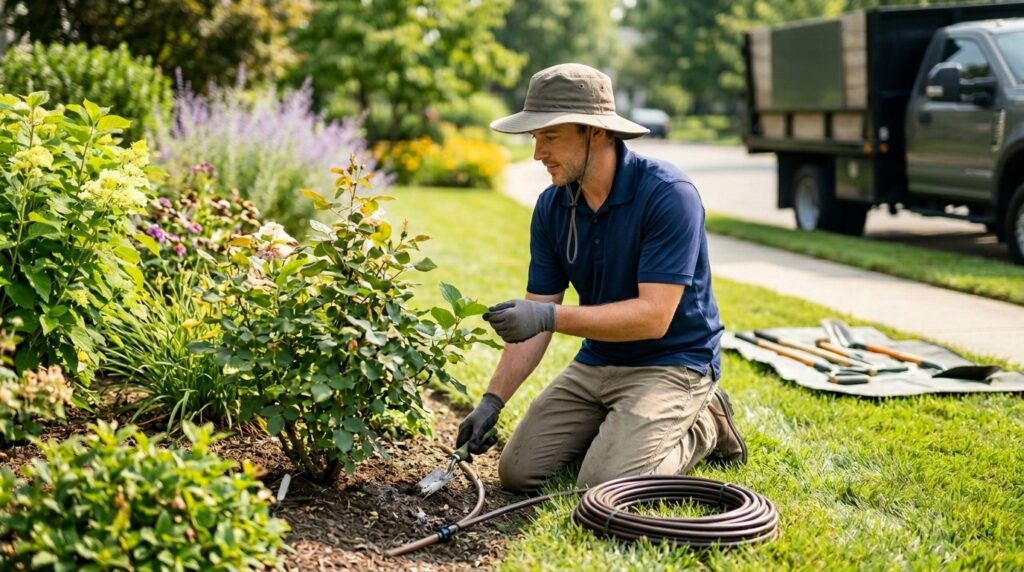
Professionals focus on reducing stress rather than forcing growth. They adjust maintenance routines to match seasonal conditions. They watch for early warning signs and respond before damage spreads.
This approach keeps yards looking fresh without overworking them.
What Happens When Summer Care Is Ignored
When summer care is treated as “maintenance mode,” landscapes decline gradually.
Grass thins. Plants lose vigor. Recovery takes longer in fall. Some damage carries into the next spring.
The failure scenario isn’t dramatic—it’s cumulative.
Each summer without proper care makes the next one harder.
A Simple Seasonal Approach That Works
Keeping a yard fresh in summer follows a clear strategy.
First, reduce heat stress through proper mowing, mulching, and watering.
Second, support soil health so moisture is used efficiently.
Third, monitor and adjust as conditions change.
This approach works with the season instead of against it.
Why Summer Landscaping Matters in Rhode Island
Rhode Island summers bring a mix of heat, humidity, and sudden storms.
These conditions demand flexibility. Landscapes must handle both drought stress and heavy rainfall in short periods. Soil shifts. Plants respond quickly—both positively and negatively.
Local experience matters when managing these patterns.
Understanding how summer behaves regionally allows landscapers to keep yards healthy despite unpredictable conditions.
A Yard That Holds Up All Summer Long
A fresh summer yard doesn’t happen by accident.
It’s the result of understanding how heat affects soil, grass, and plants—and adjusting care accordingly. When summer is approached with intention, landscapes remain inviting instead of exhausted.
If your yard struggles every summer despite your efforts, the issue may not be effort at all.
It may be timing, strategy, and seasonal support.
With the right approach, summer doesn’t have to drain your landscape.
It can be the season your yard proves how strong it really is.