
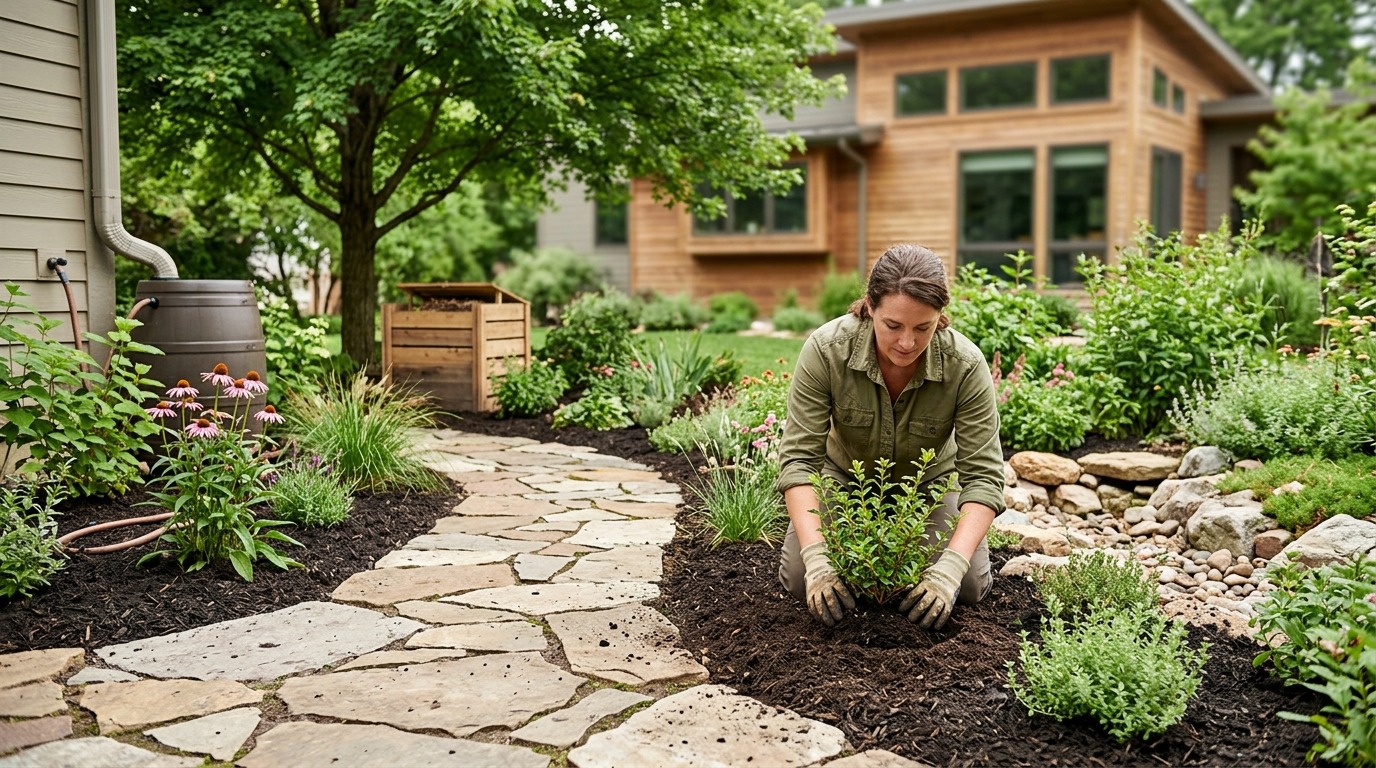
A beautiful yard doesn’t have to come at the expense of the environment.
For years, landscaping has often been about quick results—fast growth, instant color, and immediate transformation. But many homeowners are starting to look beyond that. They’re asking better questions. They want outdoor spaces that don’t just look good for a season, but actually work with nature over time.
That’s where eco-friendly landscape installation comes in.
It’s not about sacrificing appearance. It’s about making smarter decisions from the start—decisions that support the health of your yard, reduce long-term maintenance, and create a space that feels more balanced and sustainable.
The Real Problem: Landscaping That Works Against Nature
Many traditional landscaping methods focus on control.
They rely on constant inputs—water, chemicals, frequent replacements—to keep everything looking the way it should. At first, this can work. The lawn is green. The plants look full. The yard feels complete.
But over time, cracks start to show.
Plants struggle to adapt. Soil becomes depleted. Maintenance becomes more demanding. What seemed like a finished project turns into an ongoing cycle of effort.
The external problem is a landscape that requires constant upkeep.
The internal problem is frustration: “Why does this take so much work?”
The philosophical problem is simple: your yard should support itself, not depend on constant correction.
Eco friendly landscaping shifts the focus from control to balance.
You’re the Hero — Your Yard Should Work With You
Homeowners aren’t looking to make things harder.
They want a yard that feels manageable. They want something they can enjoy without worrying about overwatering, chemical use, or constant fixes. They want a space that feels natural, not forced.
What they need is a different approach.
That’s where a professional landscaper becomes the guide.
At Doug Greenwood Landscaping Co., eco friendly landscape installation is built around long-term function. The goal isn’t just to create a beautiful yard—it’s to create one that continues to perform with less effort over time.
Why Eco Friendly Starts With the Soil
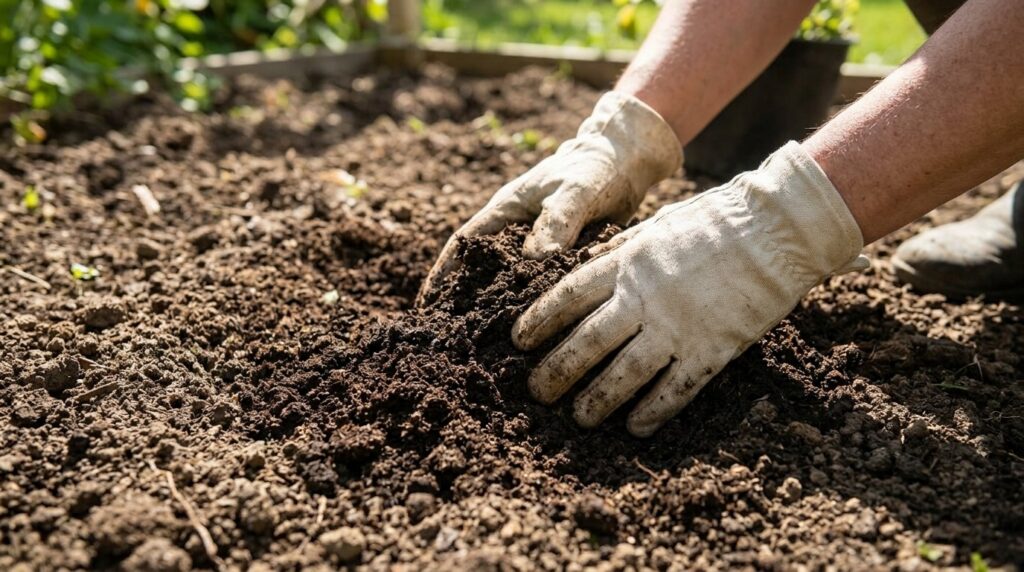
Every landscape begins below the surface.
Soil isn’t just something plants sit in. It’s a living system that supports growth, manages water, and provides nutrients. When soil is healthy, everything above it becomes easier to maintain.
Traditional landscaping often overlooks this.
Eco friendly installation focuses on improving soil from the beginning. Instead of relying on synthetic inputs later, landscapers build a foundation that supports natural growth.
This approach reduces the need for constant intervention and creates a more stable environment for plants.
How Water Management Shapes Sustainability
Water is one of the most important parts of any landscape.
But how it’s managed makes all the difference.
In many yards, water is either overused or poorly directed. This leads to runoff, wasted resources, and uneven plant growth. Some areas stay too wet, while others dry out too quickly.
Eco friendly landscape installation focuses on balance.
Landscapers design systems that capture, direct, and absorb water naturally. This reduces waste and supports healthier conditions across the entire yard.
Instead of fighting water, the landscape works with it.
Choosing Plants That Thrive Naturally
One of the most effective eco friendly strategies is also one of the simplest.
Choose the right plants.
Plants that are suited to local conditions require less water, less maintenance, and fewer interventions. They adapt more easily to seasonal changes and remain stable over time.
Landscapers consider factors like sunlight, soil type, and climate when selecting plants. This ensures the landscape doesn’t rely on constant support to survive.
When plants belong in a space, they perform better with less effort.
Why Less Can Be More in Landscape Design
Eco friendly landscaping often involves restraint.
Instead of filling every space with plants or features, landscapers focus on what’s necessary and effective. This creates a cleaner design and reduces maintenance demands.
A well-planned layout allows each element to serve a purpose.
Too many competing features can increase water usage, require more upkeep, and disrupt the balance of the landscape. Simplicity creates efficiency.
Reducing Waste During Installation
Eco friendly landscaping doesn’t begin after installation.
It begins during it.
Material choices, sourcing, and installation methods all affect the environmental impact of a project. Reducing waste, reusing materials when possible, and selecting durable options all contribute to a more sustainable outcome.
Professional landscapers plan installations carefully to minimize excess and avoid unnecessary replacement later.
Efficiency during installation leads to sustainability over time.
How Mulching Supports Eco Friendly Landscapes
Mulch plays a quiet but important role.
It helps retain moisture, regulate soil temperature, and reduce weed growth. These benefits reduce the need for watering and chemical treatments.
Eco friendly landscaping uses mulch strategically, applying it where it supports plant health and soil stability.
This simple layer contributes to long-term efficiency without adding complexity.
Why Lawn Areas Should Be Intentional
Lawns are often the most resource-intensive part of a yard.
They require water, maintenance, and consistent care to stay healthy. Eco friendly landscaping doesn’t eliminate lawns—but it rethinks them.
Instead of covering the entire yard with grass, landscapers design lawn areas where they make the most sense. This reduces maintenance while preserving usable space.
Intentional design creates balance between open areas and planted spaces.
The Role of Hardscapes in Sustainable Design
Hardscapes can support eco-friendly goals when designed properly.
Permeable materials, thoughtful placement, and proper grading allow water to move naturally through the landscape. This reduces runoff and improves overall drainage.
Hardscapes also create durable surfaces that reduce wear on planted areas.
When integrated thoughtfully, they contribute to both function and sustainability.
Why Maintenance Becomes Easier Over Time
Eco friendly landscaping isn’t about eliminating maintenance.
It’s about reducing it.
When soil is healthy, plants are well-suited, and water is managed correctly, the landscape becomes more self-sustaining. Problems occur less frequently. Adjustments become smaller and less urgent.
This shift makes the yard easier to manage and more enjoyable to use.
Long-term ease is one of the biggest benefits of eco-friendly design.
Avoiding Common Mistakes in Eco Friendly Landscaping
Eco friendly landscaping can fail when it’s approached incorrectly.
Choosing plants without considering placement, ignoring soil preparation, or applying too many ideas at once can create imbalance.
Professional landscapers avoid these issues by focusing on integration. Every decision supports the overall system instead of working independently.
Balance is what makes eco-friendly landscaping effective.
The Long-Term Value of Eco Friendly Installation
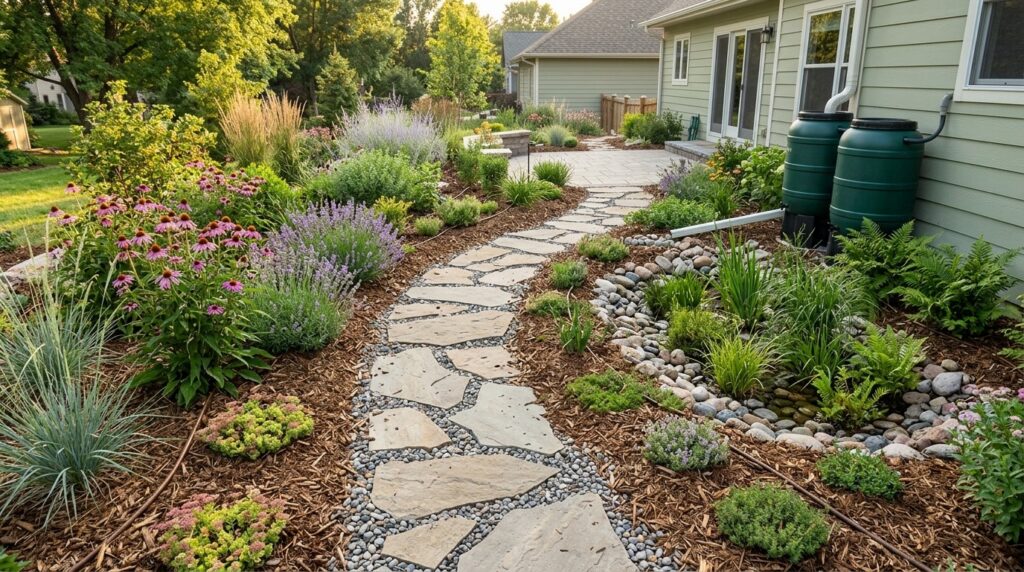
Eco friendly landscaping offers benefits that extend beyond the yard.
It reduces water usage, limits chemical dependence, and creates a healthier outdoor environment. Over time, these improvements lead to lower costs and more consistent results.
The landscape becomes something that works with you, not against you.
This long-term value makes eco-friendly installation a smart investment.
The Simple Plan Behind Eco Friendly Landscape Installation
Eco friendly landscape installation follows a clear process.
First, the property is evaluated to understand soil, water, and environmental conditions.
Next, materials and plants are selected to support natural balance.
Finally, the landscape is installed in a way that promotes long-term sustainability.
This approach ensures the yard continues to improve over time.
Why Eco Friendly Landscaping Matters in Rhode Island
Rhode Island’s environment makes eco-friendly practices especially valuable.
Seasonal weather changes, varying soil conditions, and moisture fluctuations all affect how landscapes perform. Sustainable design helps properties adapt to these conditions more effectively.
Local landscapers understand how to apply eco-friendly methods that work in this region, ensuring durability and performance.
A Yard That Works Naturally
An eco-friendly landscape doesn’t feel forced.
It feels balanced.
It grows with less effort, adapts to changes, and remains consistent over time. It supports the environment while creating a space that’s easier to live with and enjoy.
If your yard feels like it requires too much work to maintain, the solution may not be doing more.
It may be doing things differently—from the very beginning.