

The Shift Toward a Greener Yard
You’ve probably looked out at your lawn and wondered—how can I make this space greener, not just in color, but in impact? As homeowners become more aware of environmental issues, sustainable landscaping has turned from a niche idea into a mainstream movement.
Creating a greener yard isn’t just about lush, emerald grass. It’s about working with nature—saving water, improving soil, and supporting local wildlife—while keeping your yard looking amazing. And with experts like Doug Greenwood Landscaping Co., homeowners across Rhode Island are discovering that sustainable landscaping doesn’t mean sacrificing beauty. It means building smarter outdoor spaces that thrive all year.
Key Takeaways
- Sustainable landscaping helps you achieve a greener yard while reducing water waste, chemical use, and maintenance costs.
- Choosing native plants and eco-friendly lawn care supports biodiversity and long-term soil health.
- Partnering with a trusted professional like Doug Greenwood Landscaping Co. ensures your outdoor space stays both beautiful and environmentally responsible.
Why Sustainability Matters in Landscaping
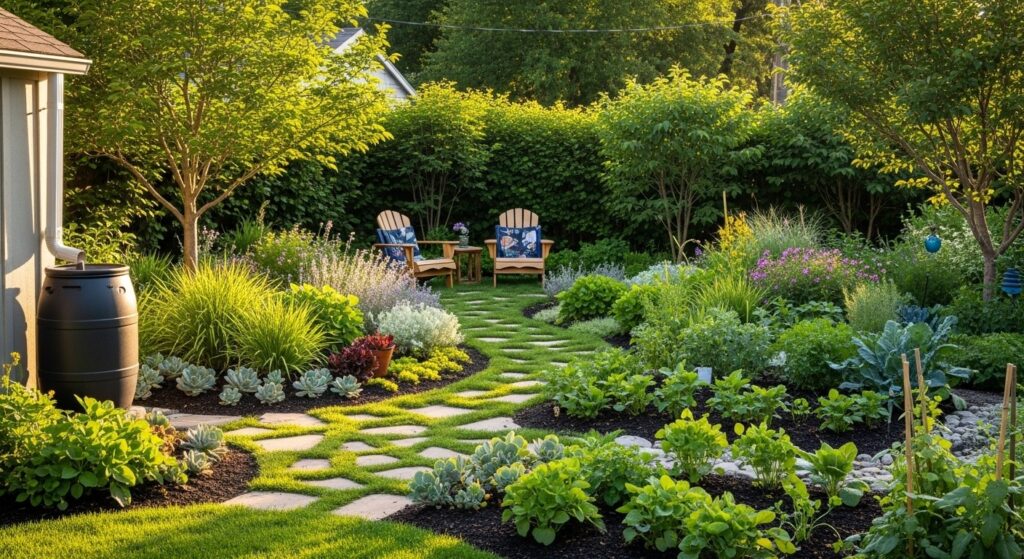
Traditional lawn care often relies on excessive watering, fertilizers, and chemicals that harm local ecosystems. Sustainable landscaping flips that approach—creating lawns that maintain their beauty naturally.
Here’s why it matters:
- Reduces water usage and lowers utility bills.
- Promotes healthier soil and resilient plants.
- Cuts back on harmful chemical runoff into streams and rivers.
- Supports pollinators like bees and butterflies.
In short, it makes your home part of a larger environmental solution.
Start With Soil Health
Healthy soil is the foundation of every greener yard. Think of it as your landscape’s immune system—it protects your plants from stress, disease, and drought.
1.1 Test Before You Plant
Before you start planting, get your soil tested. Knowing your soil’s pH and nutrient levels helps you understand what your yard really needs (and doesn’t). Doug Greenwood Landscaping Co. offers soil testing as part of their sustainable yard assessment.
1.2 Add Organic Matter
Composting grass clippings and leaves adds nutrients naturally. Skip chemical fertilizers and feed your soil with compost or natural amendments like worm castings and mulch.
1.3 Avoid Compaction
Over time, foot traffic compacts soil, limiting air and water movement. Aerating once or twice a year helps oxygen and nutrients reach plant roots efficiently.
Choose Native Plants for Natural Resilience
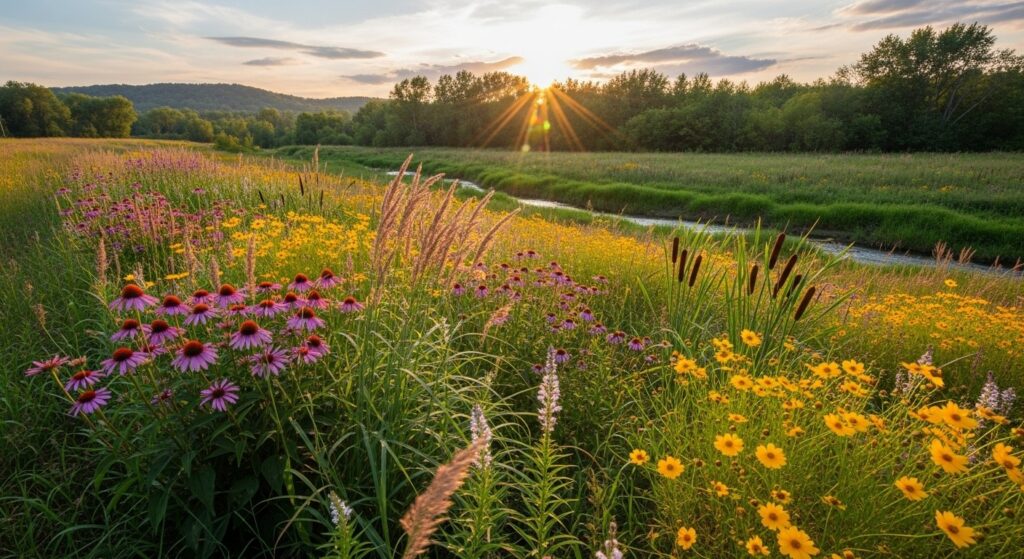
Native plants are the unsung heroes of sustainable landscaping. They’re already adapted to your local climate, meaning they require less water and care.
2.1 Benefits of Native Planting
- Thrive without excessive fertilizers.
- Resist local pests naturally.
- Provide food and shelter for local wildlife.
Doug Greenwood Landscaping Co. often recommends species like switchgrass, black-eyed Susan, and butterfly weed—all beautiful, low-maintenance options that boost biodiversity.
2.2 Design Tip: Layer Your Greenery
Mix trees, shrubs, and ground cover to mimic nature’s layering. This not only looks natural but prevents soil erosion and improves drainage.
Smarter Watering Techniques
If there’s one thing sustainable landscapers agree on, it’s this: watering wisely is key to a greener yard.
3.1 Install Drip Irrigation Systems
Instead of flooding your yard with sprinklers, drip irrigation delivers water directly to roots. You’ll cut water waste by up to 50%.
3.2 Water Early, Not Often
Watering early in the morning minimizes evaporation. Deep watering twice a week is better than shallow watering daily—it encourages stronger root systems.
3.3 Harvest Rainwater
Installing a rain barrel captures runoff that can be reused for watering your plants. It’s simple, affordable, and eco-friendly.
Mulching – The Unsung Hero
Mulch does more than make your beds look tidy. It conserves moisture, suppresses weeds, and improves soil health as it breaks down.
Use organic mulch like shredded bark or wood chips. Doug Greenwood Landscaping Co. recommends reapplying mulch every spring to keep your soil cool and nutrient-rich.
Lawn Care the Sustainable Way
Traditional lawns are water-hungry and chemically dependent. But there’s a better way to keep your turf green and healthy.
5.1 Mow Smart with the 1/3 Rule
Never cut more than one-third of your grass blade height at once. This prevents shock and allows your lawn to retain moisture naturally.
5.2 Leave the Clippings
Grass clippings are free fertilizer. Leaving them on the lawn adds nitrogen and organic matter to the soil.
5.3 Fertilize Naturally
Choose slow-release, organic fertilizers or compost tea. Avoid high-nitrogen synthetics that can burn your lawn and leach into waterways.
Create Pollinator-Friendly Spaces
A greener yard is alive with movement—bees, butterflies, and birds bring it to life.
Plant pollinator-friendly flowers like coneflower, milkweed, and lavender. Avoid pesticides that harm beneficial insects. Doug Greenwood Landscaping Co. can design pollinator gardens that attract life while keeping balance.
Use Sustainable Hardscaping
Sustainable landscaping isn’t just about plants—it’s about your entire outdoor layout.
7.1 Choose Permeable Pavers
Instead of solid concrete, permeable pavers let rainwater soak through, reducing runoff and flooding.
7.2 Recycle and Reuse
Use reclaimed bricks, natural stones, and recycled wood for patios or garden paths. It reduces landfill waste while adding rustic charm.
7.3 Solar Lighting
Switch to solar-powered lights for pathways and patios. They’re energy-efficient and require zero wiring.
Seasonal Yard Maintenance Tips
Each season brings new challenges—and opportunities—for a greener yard.
Spring
- Aerate and dethatch.
- Add compost to garden beds.
- Start rainwater collection.
Summer
- Water deeply, early mornings.
- Trim overgrown shrubs.
- Add mulch to retain moisture.
Fall
- Plant native perennials.
- Rake and compost leaves.
- Overseed your lawn.
Winter
- Protect young trees with burlap.
- Clean tools for spring prep.
- Plan next year’s landscape updates with Doug Greenwood Landscaping Co.
The Role of Professionals in Sustainable Landscaping
While DIY efforts are great, hiring a local expert like Doug Greenwood Landscaping Co. ensures long-term success.
Their team understands local soil types, native plant compatibility, and the best eco-friendly materials. They help clients design and maintain sustainable landscapes that stay beautiful year-round—with less waste, fewer chemicals, and smarter irrigation.
The Future of Eco-Friendly Landscaping
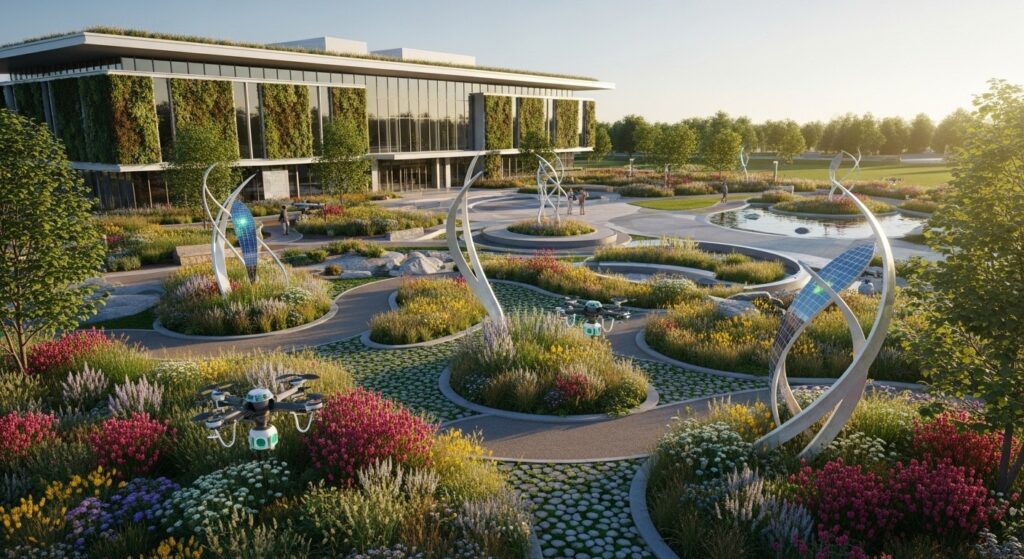
Sustainable landscaping is more than a trend—it’s the future of outdoor living. From electric lawn equipment to AI-controlled irrigation systems, technology is making greener yards easier to maintain than ever.
Doug Greenwood Landscaping Co. is leading the charge, helping Rhode Island homeowners turn their lawns into eco-friendly masterpieces.
Conclusion: Build a Yard That Gives Back
A greener yard isn’t just a pretty view—it’s a living system that gives back to the environment and your family. When you embrace sustainable landscaping, you’re choosing a future where your lawn thrives naturally, your maintenance costs drop, and your property becomes part of a bigger ecological story.
For homeowners ready to take that step, Doug Greenwood Landscaping Co. is your partner in creating an outdoor space that’s both beautiful and environmentally responsible.
Your dream yard doesn’t just grow—it flourishes sustainably.
FAQ: Greener Yard Questions Answered
What is the best thing to put on your lawn to make it green?
Compost or organic fertilizer is best. It feeds your soil, not just the grass, leading to long-term growth and resilience.
What is the 1/3 rule for lawns?
Never remove more than one-third of your grass height when mowing. This keeps roots strong and prevents shock.
What fertilizer makes grass dark green?
Organic nitrogen-based fertilizers, like compost tea or seaweed extract, promote deep green color naturally without chemical burn.
What fertilizer has the most nitrogen?
Urea (46-0-0) is the most nitrogen-rich, but use it sparingly—organic alternatives are safer for the environment and long-term soil health.
How many lawns can you mow in a day?
A professional crew like Doug Greenwood Landscaping Co. can mow multiple lawns efficiently, but the focus is always on quality, not speed.