
Lawn Aeration Landscaper Secrets: Why It’s the Best Thing You Can Do for Your Lawn
Why Lawn Aeration Matters More Than You Think
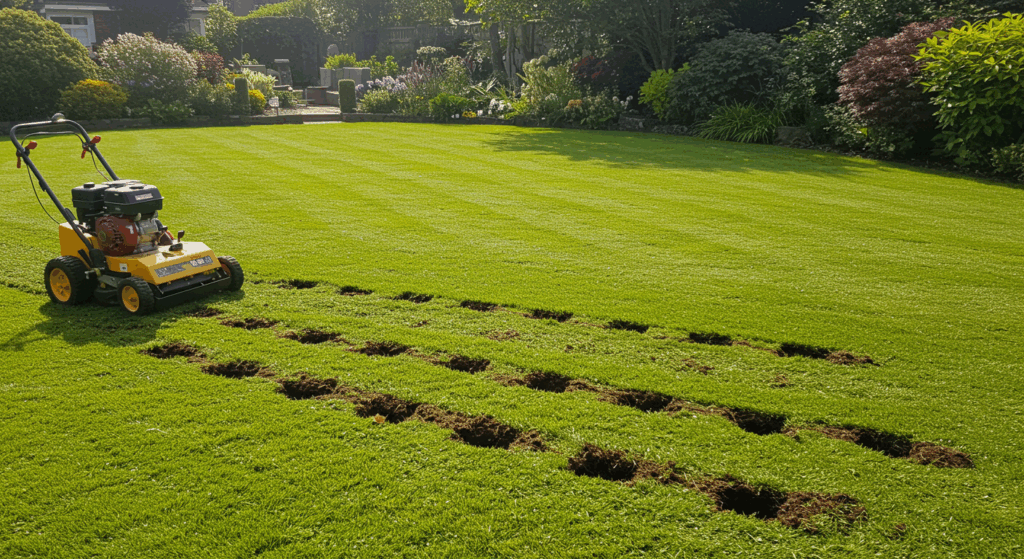
Here’s the truth most homeowners don’t realize — your lawn might not be unhealthy; it might just be suffocating. Over time, soil gets compacted from foot traffic, rain, and even mowing. That compaction traps air and blocks nutrients from reaching the roots.
This is where lawn aeration landscapers come in. It’s the secret weapon pros like Doug Greenwood Landscaping Co. use to turn dull, compacted lawns into thick, vibrant ones. Aeration gives your soil the “breathing room” it needs to recover, grow, and thrive — naturally.
Key Takeaways
- Lawn aeration lets your grass “breathe,” allowing water, air, and nutrients to reach the roots.
- It’s one of the smartest and most affordable ways to bring tired, compacted lawns back to life.
- Professional landscapers like Doug Greenwood Landscaping Co. use aeration to fix soil compaction, promote stronger roots, and create lush green lawns.
- The best time to aerate depends on your grass type and local climate—but timing, aftercare, and technique make all the difference.
What Is Lawn Aeration (and Why Landscapers Swear by It)

Lawn aeration solves this by punching small holes into the soil, allowing oxygen and moisture to flow back in. Landscapers use specialized machines called core aerators that remove little plugs of soil across your yard. Those holes might look strange for a few days, but they’re doing big things under the surface — improving root growth, breaking up compaction, and boosting microbial life.
It’s one of the simplest, most overlooked steps in professional landscaping. Yet, it’s the foundation of every healthy lawn.
The Science Behind Healthy Soil
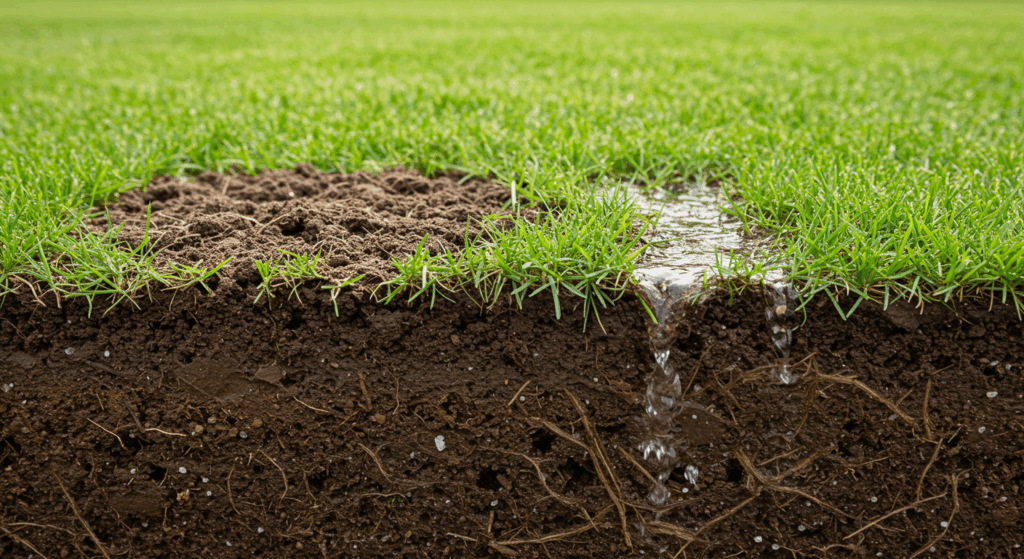
By aerating, landscapers restore your lawn’s internal balance. Those tiny holes open pathways for air exchange, encourage deeper root systems, and create better drainage during heavy rain.
Here’s what’s happening beneath your feet:
- Microorganisms thrive again, helping decompose organic matter naturally.
- Roots stretch deeper, anchoring your turf against erosion.
- Nutrients from fertilizer reach where they actually matter — the root zone.
It’s not just about looks — it’s about long-term lawn health.
Types of Lawn Aeration (and Which One Landscapers Recommend)
There’s more than one way to aerate a lawn — but not all are created equal.
- Core Aeration (Recommended)
This is the professional standard. The aerator removes small plugs of soil and leaves them on top of your lawn to break down naturally. It’s perfect for compacted, clay-heavy soil. - Spike Aeration
Instead of removing soil, it simply pushes spikes into the ground. It can help temporarily but often worsens compaction over time. - Liquid Aeration
Uses a solution to break up compacted particles. It’s less invasive but takes longer to show results and may not go deep enough for heavy clay soil.
At Doug Greenwood Landscaping Co., core aeration + overseeding is the go-to combo. It’s the most effective way to repair damaged turf and set up your lawn for thick, resilient growth.
The Benefits of Aeration: Why Landscapers Recommend It
Aeration might not sound glamorous, but it’s a total game-changer. Here’s why landscapers love it — and why your lawn will too.
1. Healthier, Stronger Roots
When oxygen, water, and nutrients reach the roots, grass grows deeper and tougher. Deep roots mean a lawn that can handle drought, heat, and even heavy foot traffic.
2. Better Water Absorption
Aeration breaks through compacted layers, letting water soak in evenly. No more puddles, runoff, or dry spots — just balanced moisture.
3. More Efficient Fertilization
If you’re fertilizing compacted soil, half your money goes to waste. Aeration ensures nutrients reach the root zone instead of sitting on top.
4. Thicker, Greener Turf
Pairing aeration with overseeding fills in bare patches, thickens existing grass, and improves overall lawn density.
5. Disease and Weed Resistance
A thick, healthy lawn naturally fights off weeds and resists disease better than a weak one. Aeration is like building your lawn’s immune system.
6. Long-Term Cost Savings
Healthy lawns require less frequent watering, fertilizing, and repair work — saving you time and money in the long run.
When’s the Best Time to Aerate Your Lawn?
Timing matters more than you think. The best month depends on your grass type and climate.
- Cool-Season Grasses (like Kentucky Bluegrass or Fescue): Early fall or spring.
- Warm-Season Grasses (like Bermuda or Zoysia): Late spring through early summer.
Here in Rhode Island and Southern New England, fall is ideal. The soil is still warm enough for root growth but cool enough to avoid stress.
Professional lawn aeration landscapers use timing as a secret weapon — scheduling aeration right before peak growing season to help your grass bounce back stronger than ever.
Signs Your Lawn Needs Aeration
You don’t have to guess. If your lawn shows any of these signs, it’s practically waving a white flag:
- Water puddles after rainfall.
- The soil feels hard or bumpy underfoot.
- Grass looks patchy or thin even after fertilizing.
- Roots are short or shallow when you pull up a plug.
- You have heavy foot traffic, kids, or pets.
- It’s been more than a year since your last aeration.
Pro tip: Try the screwdriver test. If you can’t easily push a screwdriver into the soil, it’s compacted — and it’s time to call a landscaper.
Aeration and Overseeding: The Dynamic Duo
If aeration is the oxygen, overseeding is the heartbeat.
After aeration, those open soil holes become perfect seedbeds. The new grass seeds fall into the holes, germinate quickly, and blend with your existing turf — giving you that thick, lush, golf-course look everyone loves.
Landscapers know this trick: aerate first, overseed second. Add a light layer of compost or starter fertilizer, and you’ve got yourself a rejuvenated lawn in weeks.
Common Misconceptions About Aeration
Let’s clear the air on a few myths:
- “It’s only for golf courses.” Nope. Every home lawn benefits from aeration, especially if you have kids, pets, or heavy traffic.
- “You can do it anytime.” Timing is everything. Aerating during dormancy or drought can do more harm than good.
- “DIY aeration shoes are enough.” Those spiked sandals might look fun, but they actually push soil down further — not up.
- “It damages the lawn.” When done right, aeration helps your lawn recover faster and grow stronger.
Trust your local lawn aeration landscaper to get the job done safely and effectively.
Professional vs. DIY Aeration: What’s the Real Difference?
Sure, you can rent an aerator from a hardware store and spend your Saturday sweating in the yard. But here’s the difference:
DIY Aeration:
- Uneven hole spacing and shallow plugs.
- Risk of tearing up turf or damaging sprinkler lines.
- Time-consuming and physically demanding.
Professional Aeration (Doug Greenwood Landscaping Co.):
- Industrial-grade core aerators that reach ideal depth.
- Precision timing and soil analysis.
- Optional overseeding and fertilization for maximum results.
If you value your weekends — and your back — let the pros handle it.
What to Do After Aeration (Lawn Aftercare Tips)
The job’s not done once those plugs are out. Proper aftercare ensures your lawn gets the full benefit.
- Water Deeply: Soak your lawn for several days to help roots recover.
- Skip Mowing: Wait about a week before mowing again.
- Feed the Soil: Add fertilizer or organic compost to nourish new growth.
- Overseed (Optional but Powerful): Fill in bald spots and thicken your lawn.
- Be Patient: You’ll start seeing fuller, healthier grass within 2–4 weeks.
Think of aeration like a deep-tissue massage for your lawn — it takes a little time to recover, but the results are worth it.
The Long-Term Payoff of Aeration
Most homeowners notice immediate improvements after aeration — greener color, softer soil, better drainage. But the real magic happens over time.
Aerated lawns grow deeper roots, resist stress, and require less maintenance overall. You’re building soil health that lasts for years. That’s why landscapers include it as a cornerstone of every annual maintenance plan.
In Rhode Island, where clay-heavy soil and seasonal rain are common, lawn aeration landscaping isn’t just a good idea — it’s essential for protecting your investment.
FAQ: Lawn Aeration Landscaper Questions Answered
What is the best month to aerate your lawn?
The best month to aerate your lawn in Rhode Island is September — right at the start of early fall. The soil is still warm from summer, which helps grass roots recover quickly, while cooler temperatures and natural rainfall make it easier for new growth to establish. This timing gives your lawn a strong foundation before winter and ensures it greens up faster in the spring.
What are the drawbacks of aeration?
The main drawback is temporary — small soil plugs on your lawn. They’ll break down naturally in a week or two. If done at the wrong time (like summer drought), it can stress grass temporarily.
How to tell if a lawn needs aeration?
Look for compacted soil, thin growth, or standing water after rain. A quick screwdriver test works too — if it’s hard to push in, your soil’s too dense.
What kind of damage is caused by aeration?
When done correctly, none. If done during extreme weather or with poor equipment, it can stress grass. That’s why landscapers time it strategically.
Does aeration damage grass?
Only if done in extreme heat or dormancy. When timed right, aeration strengthens grass and encourages healthy regrowth.
Why Doug Greenwood Landscaping Co. Is the Local Expert
For over 38 years, Doug Greenwood Landscaping Co. has helped homeowners across Rhode Island build lawns they’re proud of. They don’t just mow and go — they understand the science behind soil, drainage, and turf health.
Their aeration services are tailored to your yard’s unique conditions. Whether it’s a compact backyard in Narragansett or a sprawling lawn in South Kingstown, they use precision tools and decades of experience to deliver lasting results.
They also focus on eco-friendly practices — no unnecessary chemicals, no wasteful watering, just smart, sustainable lawn care that keeps your property beautiful all year long.
If your lawn’s looking dull or compacted, now’s the time to act. Schedule your lawn aeration landscaper service with Doug Greenwood Landscaping Co. today — and see your lawn breathe again.
Conclusion: Give Your Lawn Room to Breathe
A lush, green lawn doesn’t happen by luck — it happens by letting nature work the way it’s supposed to. Aeration is that secret reset button. It’s what gives your lawn the oxygen, nutrients, and strength it’s been missing.
Whether you’re a new homeowner, a busy parent, or a retiree who loves their yard, aeration is your first step toward the kind of lawn that makes people stop and stare.
So don’t wait until your grass gives up. Let Doug Greenwood Landscaping Co. help your lawn breathe easy again — because healthy lawns start with healthy soil.